English






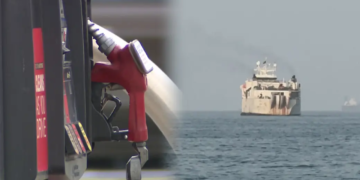
















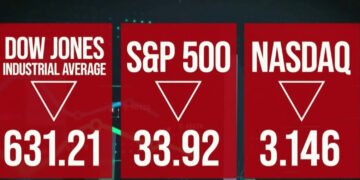
























Fuel prices in the United States are approaching levels not seen since 2022, with diesel and crude oil costs rising sharply as the midterm elections draw near. The surge is driven by a combination of factors, including the ongoing war involving Iran, continued disruptions to global oil supply routes, and Russia’s extended ban on diesel exports. With less than eight weeks until Election Day, consumer frustration is growing and political pressure on the Trump administration is intensifying.
Rising Prices Hit Consumers and Supply Chains
Diesel prices are climbing fast, and the effects reach well beyond the gas pump. The global trucking, rail and shipping industries all depend on diesel. As a result, higher diesel costs push up the wholesale price of moving goods to retailers and grocery stores, ultimately raising prices for everyday consumers.
Stay connected to every major update — subscribe and follow us on the PhoenixQ website and across our social media platforms.
Consumer confidence is already showing signs of strain. The University of Michigan’s consumer sentiment survey recently dropped sharply, with inflation cited as a primary concern. Meanwhile, social media users — including some who say they previously supported President Donald Trump — are openly expressing frustration over high fuel costs.
Trump has repeatedly promised that gas prices will fall significantly. He told reporters on September 9 that oil prices would be “tumbling downward” right after the election. He has also claimed his administration will push gas prices below $2 per gallon. However, unleaded gasoline has not fallen below that threshold since the COVID-19 pandemic in 2020, when the global economy came to a near standstill.
Analysts Warn of Further Price Increases
Energy experts and financial analysts are casting serious doubt on those promises. Commodities analysts have warned for months that the longer the Iran war continues, the higher oil prices will climb and the longer they will take to recover.
On September 8, HSBC analysts wrote that if diplomacy fails and flows through the Strait of Hormuz remain near current levels, Brent crude oil could rise to around $120 per barrel. Goldman Sachs also raised its Brent crude forecast above $120 per barrel, assuming Persian Gulf oil flows stay low — which they have. Bank of America went further, warning in early September that a broader conflict causing major damage to energy infrastructure could spike prices as high as $150 per barrel.
Those forecasts are already moving closer to reality. On Friday morning, Brent crude oil approached $105 per barrel, while U.S. crude traded just above $103 per barrel.
Iran War Disrupts Critical Oil Routes
The war involving Iran is now approaching its seventh month, and there are few signs of improvement in the region’s oil supply situation. Daily transits through the Strait of Hormuz — a critical waterway off Iran’s southwestern coast — have fallen to a fraction of pre-war levels. Insurance costs for tankers attempting to pass through the strait have soared, as both Iranian and U.S. forces continue to conduct military strikes in the area.
Iran has repeatedly attacked oil tankers and regional energy infrastructure, disrupting supply routes and refining capacity across the Middle East. Last Thursday, Saudi Arabia shut down a critical east-west oil pipeline after what officials described as “multiple attacks.” As of Friday morning, it remained unclear when the pipeline would resume operations, though reports suggested Saudi Arabia was constructing new pipeline sections to bypass the damaged areas.
Russia’s Diesel Ban Adds to Global Pressure
Far from the Middle East, developments in Russia are also pushing global fuel prices higher. Russia extended its ban on diesel exports through at least the end of September, after Ukrainian drone strikes damaged energy assets inside the country.
Trump has made little secret of his frustration with Ukrainian President Volodymyr Zelenskyy over those strikes. “Mr. Zelenskyy has to do one thing. He has to stop knocking out diesel fuel in Russia,” Trump told reporters on Sunday. He added that Ukraine should avoid targeting diesel infrastructure specifically, saying the strikes are “causing a shortage of diesel fuel” and “hurting the world.”
Zelenskyy responded that Ukraine will stop targeting Russian energy assets only if Russia agrees to halt strikes on Ukrainian critical infrastructure. On Thursday, Ukraine said it had struck Russia’s Yaroslavl oil refinery, which reportedly halted crude oil processing the same day.
Governments around the world are increasingly alarmed. On Friday, French President Emmanuel Macron called for a G-7 leaders meeting focused on energy costs. He said attendees would “consider options for potential releases from strategic reserves or the lifting of restrictions, as we did a few months ago.” In March, dozens of countries agreed to release 400 million barrels of oil in an effort to slow rising prices. However, six months later, the U.S. Strategic Petroleum Reserve and many other global stockpiles sit at their lowest levels in decades, making a repeat of that effort extremely difficult.