English










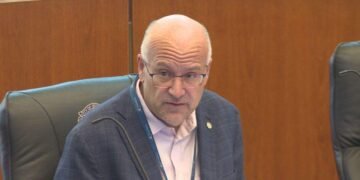

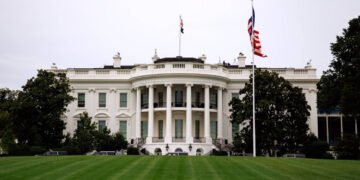


















Brexit Ten Years Later remains one of the most defining political developments in modern British history. On June 23, 2016, more than 17 million British voters backed leaving the European Union. That decision ended nearly five decades of deep political and economic integration with Europe. Supporters promised economic freedom and stronger national sovereignty. Critics warned about long-term instability. Ten years later, Britain continues to wrestle with the consequences of that historic referendum.
The exit process itself stretched nearly five years. However, the political and economic aftershocks continue to shape the country in unexpected ways.
Economic Promises Face Harsh Reality
Brexit supporters once argued Britain would thrive independently. They promised stronger trade deals and faster economic growth. Instead, businesses now struggle with new barriers when trading with Europe. The European Union remains Britain’s largest trading partner. Yet customs paperwork, border checks, and visa restrictions have created new challenges for exporters.
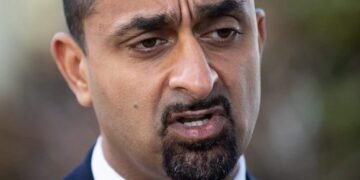
Economic experts estimate the British economy now sits between four and eight percent smaller than projected under EU membership. Consequently, public services have lost billions in potential funding. Economist Jonathan Portes recently noted that Brexit gradually weakened investment, trade growth, and national productivity.
Immigration Debate Still Dominates Politics
Immigration stood at the center of the Brexit campaign. Supporters promised tighter border control and reduced migration levels. While migration from Europe dropped sharply, arrivals from non-EU countries surged instead. The previous Conservative government expanded visa programs to fill labor shortages. Healthcare, elderly care, and agriculture relied heavily on foreign workers.
Although overall migration numbers recently declined, illegal Channel crossings remain politically explosive. Thousands continue crossing from conflict zones, including Afghanistan and Sudan. Public frustration has intensified. In some cases, angry demonstrations targeted hotels housing asylum seekers.
Political Landscape Continues to Shift
Brexit permanently altered Britain’s political balance. Traditional support for Conservatives and Labour has weakened significantly. The Conservatives lost power in 2024 after years of internal Brexit disputes. Meanwhile, Labour under Prime Minister Keir Starmer struggles to regain public confidence. Nigel Farage’s Reform UK now leads many national polls. His rise reflects growing voter dissatisfaction with mainstream parties. At the same time, public opinion toward Brexit has shifted dramatically.
Public Regret Begins To Grow
Recent surveys reveal increasing frustration over Brexit outcomes. According to Ipsos polling, 52 percent of British citizens now support rejoining the European Union. Only 33 percent oppose returning. Nearly half of voters believe Brexit has performed worse than expected. Additionally, many citizens support holding another national referendum on EU membership. This signals growing regret among voters who once believed Brexit would transform Britain positively.
Can Britain Reset Relations With Europe
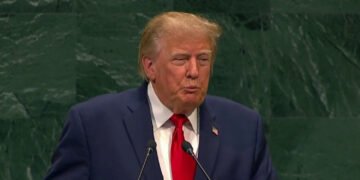
Labour now seeks a cautious reset with Europe. However, Prime Minister Starmer has ruled out rejoining the EU single market. His government hopes to reduce trade friction and rebuild diplomatic trust. Yet political space remains limited. Potential successor Andy Burnham also rejected immediate EU reentry plans. He insists Britain must respect the original referendum result. Still, Britain faces a difficult question moving forward. Can the country repair relations without reversing Brexit itself?
Ten years later, Brexit Ten Years Later continues defining Britain’s economy, politics, and future direction.