English



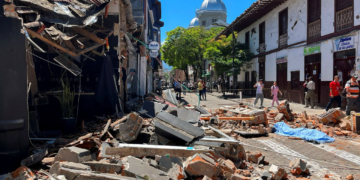











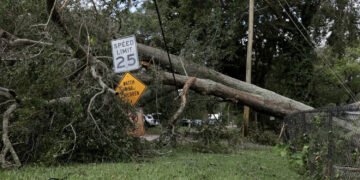

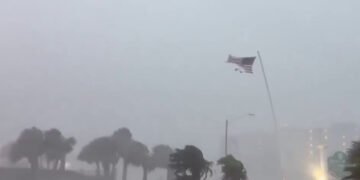

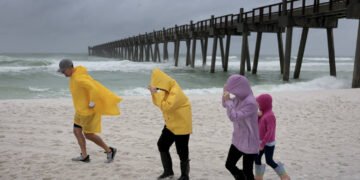

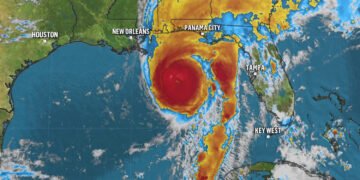
























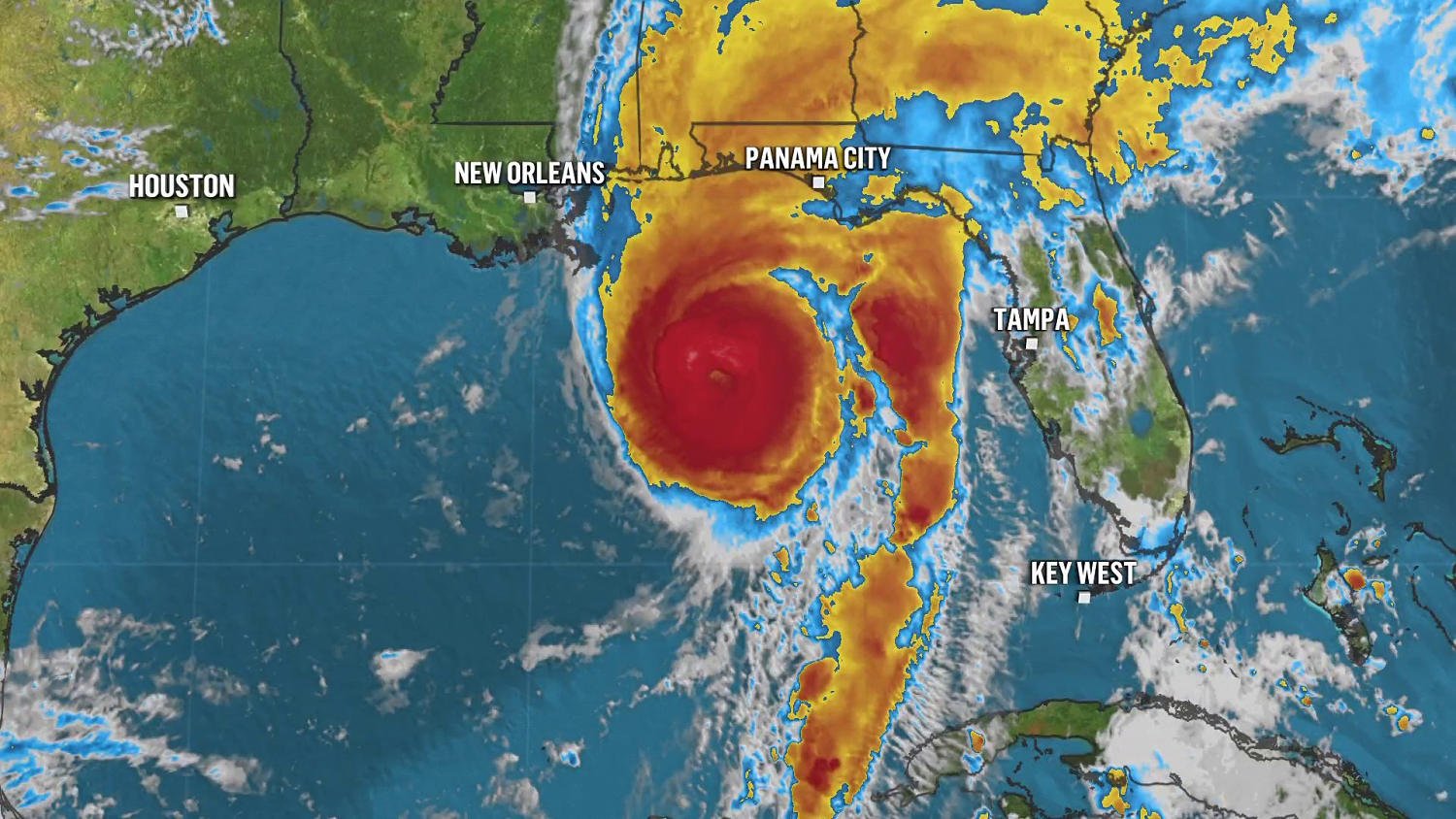
Hurricane Isaias made landfall on the Florida Panhandle on Friday evening, bringing heavy rainfall and powerful winds as it pushed inland across the southern United States. The storm marks the first hurricane of the Atlantic season.
Storm Strikes the Florida Panhandle
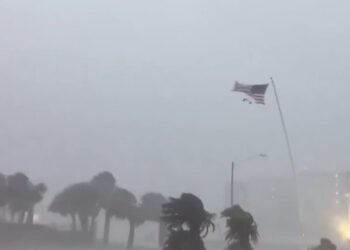
Isaias came ashore along the Florida Panhandle, quickly battering coastal communities with intense rain and strong gusts. Conditions deteriorated rapidly as the storm moved onshore. Residents in the region faced a dangerous and fast-moving situation.
Stay connected to every major update — subscribe and follow us on the PhoenixQ website and across our social media platforms.
Florida Lieutenant Governor Jay Collins urged residents to take the storm seriously. He called on communities to prepare and not underestimate the threat. Officials across the state echoed that warning as Isaias approached.
Florida declared a state of emergency ahead of landfall. The declaration allowed state agencies to mobilize resources and coordinate emergency response efforts more effectively.
Alabama Braces for Impact
Meanwhile, neighboring Alabama also declared a state of emergency as Isaias tracked toward the Gulf Coast. State officials moved quickly to finalize preparations before the storm arrived. Emergency management teams worked to position resources across vulnerable areas.
The mayor of Mobile, Alabama, outlined the city’s storm preparations in the hours before landfall. Emergency management officials also explained how the state was organizing its response. Both local and state agencies coordinated closely to protect residents.
In Pensacola, conditions intensified as Isaias began moving onshore. The city’s mayor detailed preparation efforts as the storm closed in. Heavy rain and rising winds made conditions increasingly dangerous along the coast.
Storm Moves Inland
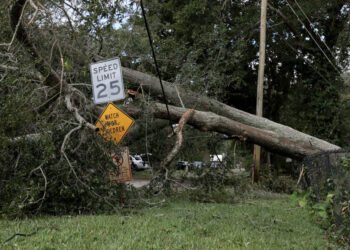
After making landfall, Hurricane Isaias continued to push inland across the region. The storm carried heavy rain well beyond the immediate coastline. Authorities monitored its track closely as it progressed through the southern United States.
As the first named hurricane of the Atlantic season, Isaias drew significant attention from emergency officials at every level of government. The storm’s arrival prompted swift action from state and local authorities in both Florida and Alabama. Officials stressed that residents should remain cautious even as the storm moved further inland.
Emergency teams continued to assess conditions and respond to areas affected by flooding and wind damage. Authorities encouraged the public to follow official guidance and avoid unnecessary travel until conditions improved.