English





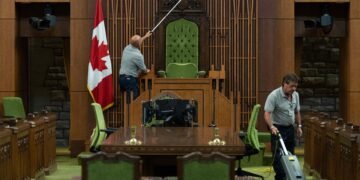


























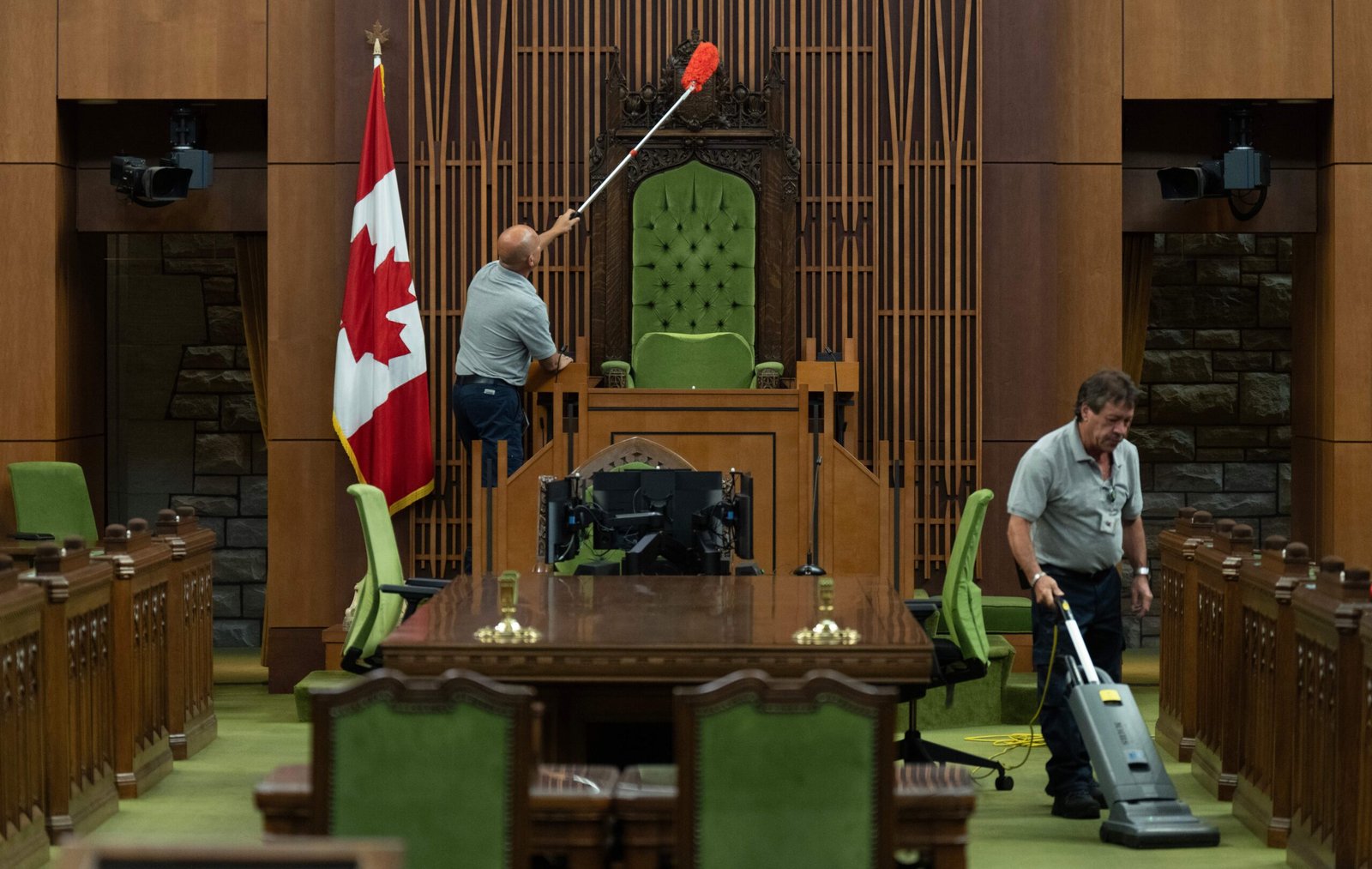
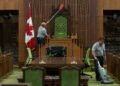
Canada’s Parliament resumes Monday after the summer recess, with trade tensions and economic policy dominating the agenda. Prime Minister Mark Carney has pledged that his Liberal government will introduce some of the most significant legislation in decades during the fall sitting.
Liberals Push Major Economic Legislation
Government House Leader Steven MacKinnon described the upcoming economic legislation as the “centrepiece” of the fall parliamentary session. Finance Minister François-Philippe Champagne plans to introduce a new bill to extend excise tax relief on fuel. He is also preparing a fall budget.
Stay connected to every major update — subscribe and follow us on the PhoenixQ website and across our social media platforms.
The Liberals currently hold a majority in the House of Commons with 173 seats. That majority came together over the past year through a series of floor-crossings and byelection wins. As a result, opposition parties now hold less influence over the parliamentary agenda and have slipped in the polls.
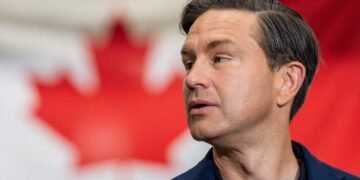
However, six seats remain vacant and will require byelections in the coming months. Conservative MP Larry Brock resigned his Brantford-Brant seat last week to return to his career as a Crown prosecutor. Conservative Leader Pierre Poilievre held a campaign-style rally in Brantford on Sunday and announced that Brantford Mayor Kevin Davis will be the party’s candidate in the upcoming byelection.
Opposition Parties Face Reduced Numbers
The New Democrats also return to Ottawa in a weakened position. The party lost significant ground in the last election, and leader Avi Lewis does not hold a seat in the House. Furthermore, longtime NDP MP Alexandre Boulerice stepped down to contest a seat in the Quebec provincial election. The party now holds just five seats in the House of Commons.
The Liberals have also faced notable departures. Former minister Steven Guilbeault resigned in August, citing frustration with the Carney government’s shift on energy and environmental policy. Meanwhile, Ottawa moved forward over the summer on plans for a new West Coast pipeline. In July, Carney and Alberta Premier Danielle Smith announced a framework for a private-public partnership to build a pipeline to the southern British Columbia coast.
Trade War With the United States Intensifies
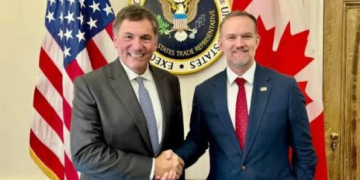
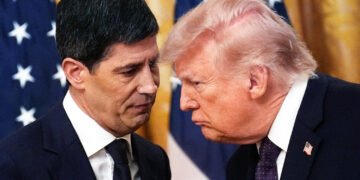
U.S. President Donald Trump continued to escalate trade pressure on Canada throughout the summer. Trump threatened additional tariffs on steel and automobiles by year’s end if the two countries cannot reach a deal. Those threats followed Canada’s negotiating team walking away from a potential agreement with the White House in August, saying the terms on offer were not acceptable.
Since then, Trump imposed another round of tariffs and Canada responded with counter-tariffs of its own. Trump also threatened to cut off certain Canadian imports and, in a symbolic provocation, attempted to rename Lake Ontario as Lake America.
In response, Carney has pursued an aggressive international strategy to deepen trade ties and attract investment from outside the United States. In the past week alone, he addressed the European Parliament in Strasbourg, France, after the president of the European Commission expressed interest in Canada becoming an “associate member” of the EU. He also made a bilateral visit to the United Kingdom to meet with Prime Minister Andy Burnham. Back in Canada, Carney hosted a major investment summit in Toronto, where he received praise from former prime minister Stephen Harper.
Carney Acknowledges the Demanding Pace
Carney acknowledged the intensity of his schedule while speaking to his caucus on Friday. He briefly misspoke during his remarks, saying “seven weeks” when he meant “seven days.” He quickly corrected himself. “It felt like seven weeks, but it was seven days. But this is the pace we need,” Carney said.
This week, Carney travels to New York for meetings on the sidelines of the United Nations General Assembly, though he is not scheduled to address the assembly directly. Several more international summits are expected to follow in the coming months as Canada works to strengthen its global partnerships amid ongoing U.S. trade pressure.