English











































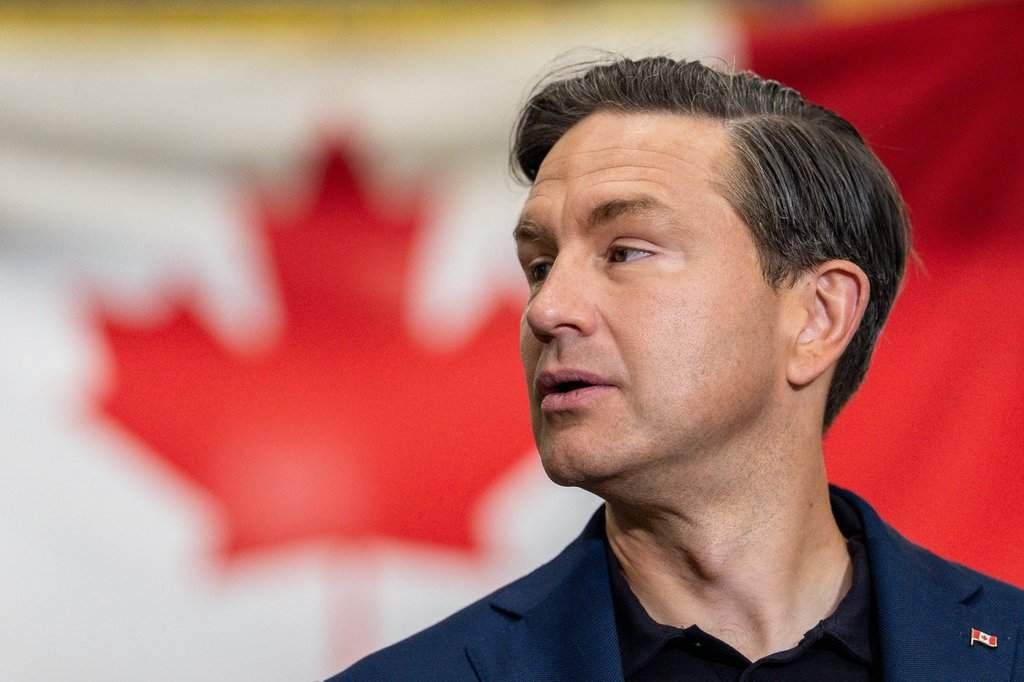
Conservative Opposition Leader Pierre Poilievre has firmly rejected any prospect of Canada joining the European Union, declaring the country will “never be the 28th state of the European Union.” His comments come as Prime Minister Mark Carney actively pursues closer ties with Europe amid an ongoing trade war with the United States.
Poilievre made the remarks at a rally in Brantford, Ontario, on Sunday. His statement followed European Commission President Ursula von der Leyen’s recent call for Canada to become the first “associate member” of the European Union.
Stay connected to every major update — subscribe and follow us on the PhoenixQ website and across our social media platforms.
Poilievre Draws a Clear Line
The Opposition leader acknowledged that Canada already maintains a free trade agreement with Europe. He also recognized Canada’s close defence relationship with the continent through NATO. However, he strongly opposed any arrangement that would bring European taxes, laws, or what he described as “reckless European-style immigration” to Canada.
Poilievre’s position signals a sharp contrast with the Carney government’s approach. While the prime minister welcomes deeper engagement with Europe, Poilievre argues that existing agreements already provide sufficient cooperation between Canada and the EU.
Carney Open to Expanded Partnership
Prime Minister Carney has expressed support for von der Leyen’s ambitions. However, he noted that the specific nature of any new arrangement remains undecided. Carney said he wants to expand several areas of cooperation. These include opportunities for young Canadians and the development of an integrated market for financial services.
Carney also confirmed that the House of Commons will debate and vote on the proposed partnership. That commitment gives Parliament a direct role in shaping any future agreement with the European Union.
A Debate With National Implications
The exchange between Poilievre and Carney reflects a broader national debate about Canada’s direction in a shifting global trade environment. As tensions with the United States continue, Europe has emerged as a potential alternative partner. Still, the two leaders disagree sharply on how far that relationship should go.
Von der Leyen’s proposal to grant Canada associate EU membership is unprecedented. No country outside Europe has held such a status before. As a result, any agreement would likely require careful negotiation and significant parliamentary scrutiny before moving forward.