English














































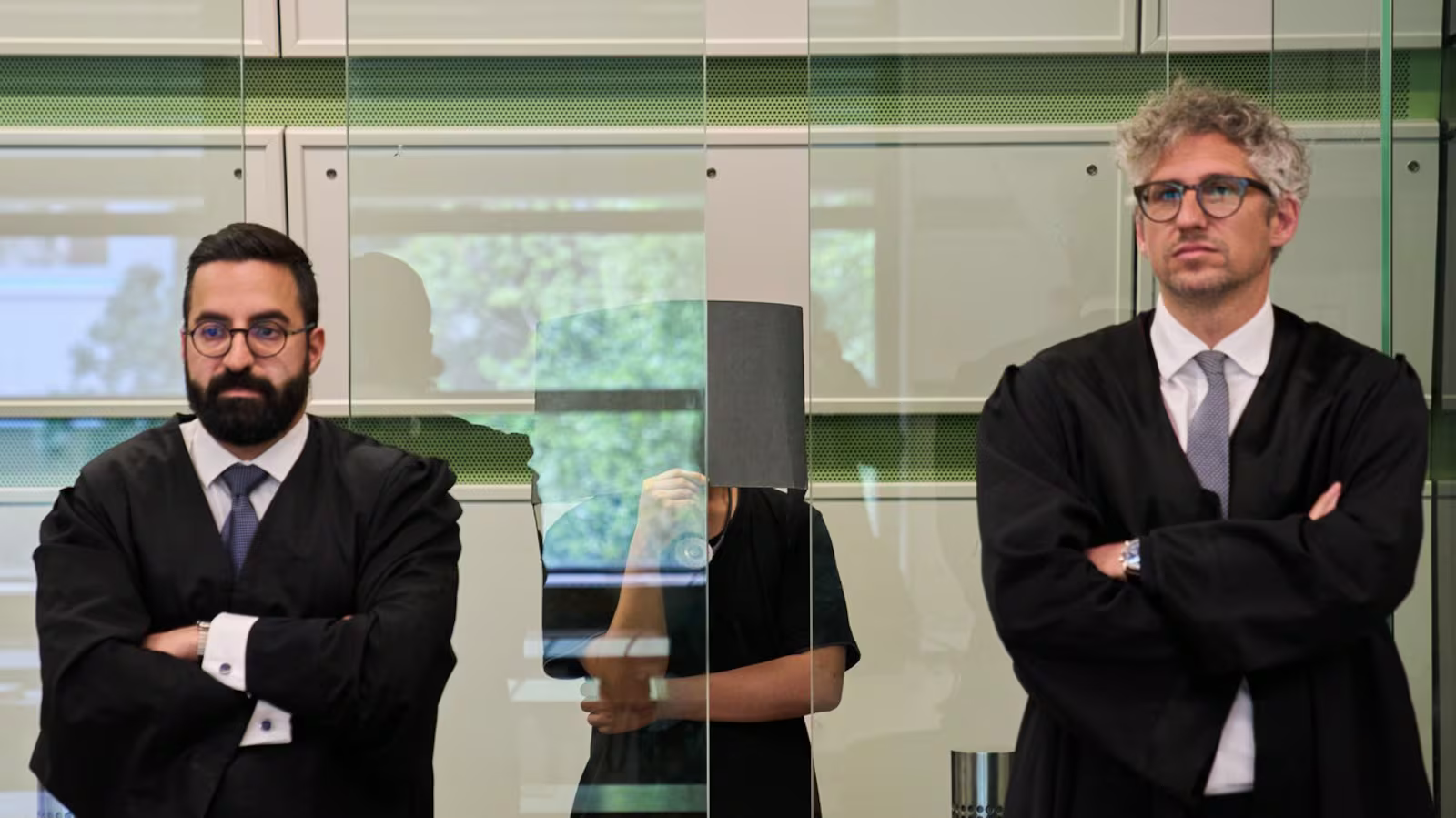
A Berlin court sentenced a German doctor to life in prison this Wednesday. The 41-year-old physician, identified only as Johannes M., murdered 15 of his palliative care patients. Prosecutors proved he administered lethal drug cocktails to 12 women and three men. These tragic crimes occurred between September 2021 and July 2024. The Berlin doctor convicted for these actions also faced allegations of arson. He reportedly torched victims’ homes to hide his gruesome medical crimes.
Medical betrayal and lethal cocktails
The doctor exploited his role within a nursing service to access vulnerable patients. He allegedly injected victims with anesthetics and muscle relaxants without their consent. These drugs paralyzed their respiratory muscles and caused death within minutes. His victims ranged from 25 to 94 years old. Prosecutors described his actions as having no motive beyond a “lust for murder.” Johannes M. confessed to the killings last month after initially maintaining his silence.
“Stay connected to every major update — subscribe and follow us on the PhoenixQ website and across our social media platforms.”
A pattern of serious guilt
The court ruling aligns with the prosecution’s request for “particularly severe guilt.” This finding ensures the Berlin doctor convicted remains ineligible for typical early release. Additionally, the judge issued a lifetime ban on his medical practice. This legal outcome marks the conclusion of a trial that began nearly one year ago. Authorities continue to investigate dozens of other suspicious deaths potentially linked to the physician. The severity of this case recalls other notorious serial killings within German healthcare.
Broader investigation into medical safety
The investigation team initially scrutinized 395 cases involving the defendant. They confirmed initial suspicions in 95 instances. Prosecutors currently investigate 76 additional cases and expect further indictments this year. The defendant apologized to the bereaved families at the end of his trial. Despite his claims that he sought to spare patients suffering, the court recognized the cold brutality of his methods. This conviction provides some closure while highlighting deep failures within the palliative care oversight system.