English














































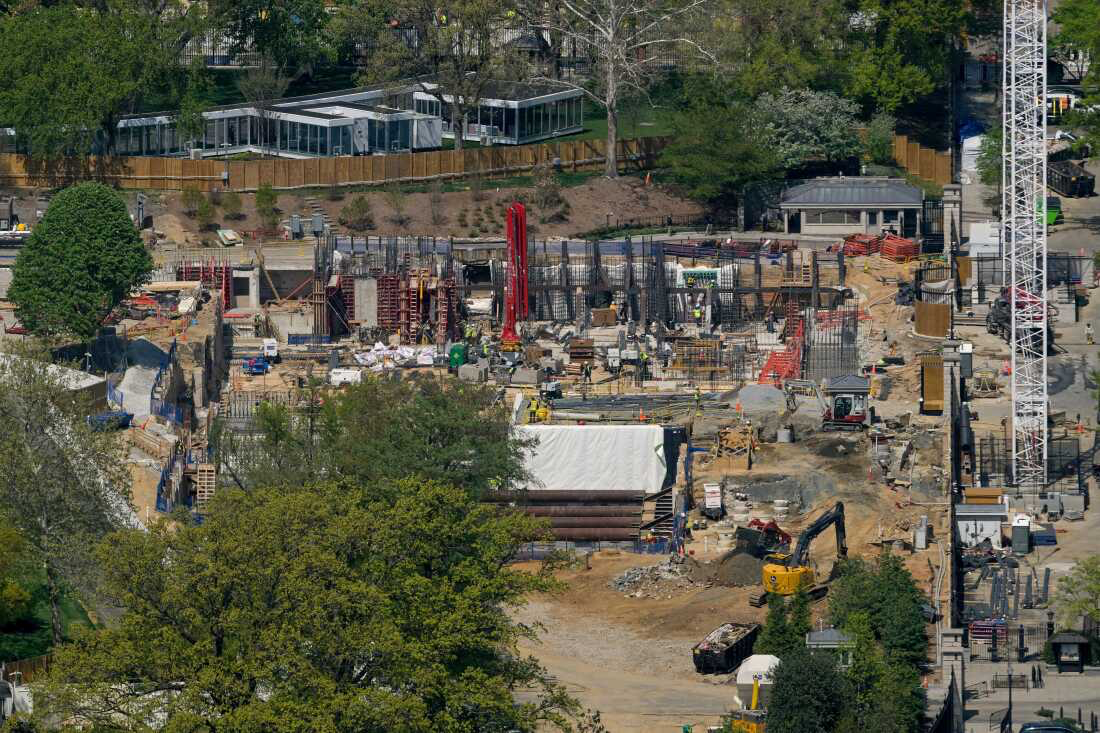
The White House Ballroom Contract has triggered new political debate in Washington after reports revealed officials approved a no-bid construction deal worth up to 500 million dollars. According to reports, the agreement bypassed normal federal bidding rules. As a result, critics now question the transparency surrounding one of Donald Trump’s most ambitious renovation projects. Meanwhile, the White House has not issued any official clarification.
Massive contract raises transparency concerns
According to a report published Tuesday, White House officials approved the White House Ballroom Contract through the Executive Residence office. This office does not follow the same procurement rules as federal agencies. Therefore, officials avoided the standard competitive bidding process. In addition, the office did not need to publicly disclose contract details. The arrangement immediately drew attention from government watchdogs and political analysts.
“Stay connected to every major update — subscribe and follow us on the PhoenixQ website and across our social media platforms.”
Trump reportedly negotiated project costs
Reports indicate Donald Trump personally helped negotiate parts of the construction costs. Sources claim the president remained deeply involved in financial discussions surrounding the project. Furthermore, the contract went to Virginia-based Clark Construction, one of the country’s largest building firms. Early work on the White House Ballroom Contract reportedly included a three percent profit margin for the contractor. However, Reuters said it could not independently verify those details.
Ballroom project fits larger Washington overhaul
The ballroom renovation forms part of Trump’s broader plan to redesign major landmarks in Washington. His larger vision includes a 250-foot ceremonial arch in the capital. It also includes renovations to the National Mall reflecting pool. Additionally, plans call for a newly designed promenade near the Lincoln Memorial. Supporters argue these projects could reshape the symbolic heart of the nation.
Funding questions create political tension
Trump initially said he and private donors would finance the ballroom project. However, he later asked Congress for one billion dollars for related security upgrades. Senate Republicans quickly rejected that request. They reportedly worried about voter backlash before November’s midterm elections. Consequently, the White House Ballroom Contract now faces growing political scrutiny. Critics argue the administration should explain how public funds connect to privately promoted projects.
The White House Ballroom Contract now stands at the center of a larger debate about government transparency, presidential influence, and spending priorities. As more details emerge, Washington faces renewed questions about accountability at the highest levels of government.