English





























Vatican Financial Fraud Trial proceedings resumed this Tuesday amid massive legal turmoil. This historic Holy See legal proceeding faces new challenges after significant prosecutorial failures. The appeals court recently rejected the prosecution’s entire petition. This decision means the court cannot increase current sentences for the defendants. Meanwhile, chief prosecutor Alessandro Diddi abruptly resigned from the case. He chose to step down rather than face potential removal. Controversy regarding leaked WhatsApp messages prompted his sudden departure. These messages suggest biased conduct by the Vatican police and investigators.
Prosecution Faces Procedural Errors and Resignations
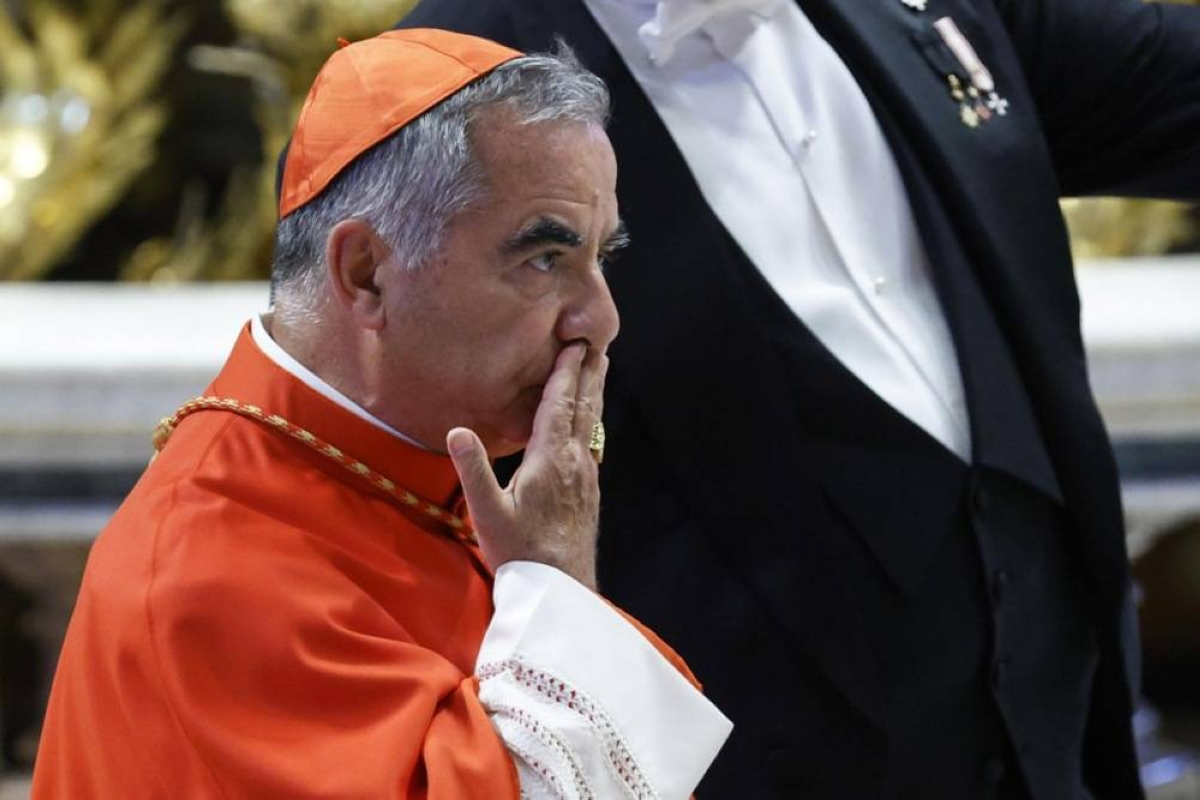
The high Court of Cassation refused to forgive a major procedural mistake. Diddi failed to provide specific legal grounds in his appeal motion. Therefore, the court threw out his request for harsher convictions. Diddi previously led the two-year investigation into Cardinal Angelo Becciu. He characterized the investigation as a fight for truth and justice. However, defense lawyers accused him of hiding crucial evidence. They argued that the secret chats proved his lack of impartiality. Despite his recusal, the court ruled his previous legal actions valid. “Stay connected to every major update — subscribe and follow us on the PhoenixQ website and across our social media platforms.”
The London Property Scandal and Embezzlement Convictions
This case centers on a failed 350-million-euro investment in London. The Vatican lost millions through high fees and extortion. In 2023, the tribunal convicted Becciu of embezzlement and fraud. He received a prison sentence of five and a half years. Eight other defendants also faced convictions for various financial crimes. However, the court acquitted them of many original conspiracy charges. All defendants continue to maintain their innocence during this appeal. They hope the court will overturn the previous guilty verdicts. In short, the Vatican Financial Fraud Trial remains the most significant case in modern church history.
Pope Francis and the Fair Trial Controversy
Defense teams now focus on the role of Pope Francis. The Pope signed four secret decrees during the initial investigation. These decrees gave prosecutors unchecked powers to wiretap suspects. Furthermore, the Vatican never officially published these laws. Legal scholars argue this violated the “equality of arms” principle. Suspects did not know the prosecution had these extra-legal powers. Under canon law, the Pope answers only to God. However, some argue his decrees might violate fundamental human rights. The Vatican maintains that all defendants received a fair and transparent trial.