English
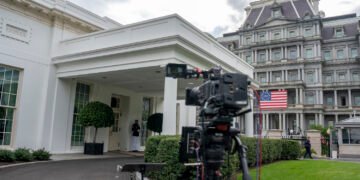




















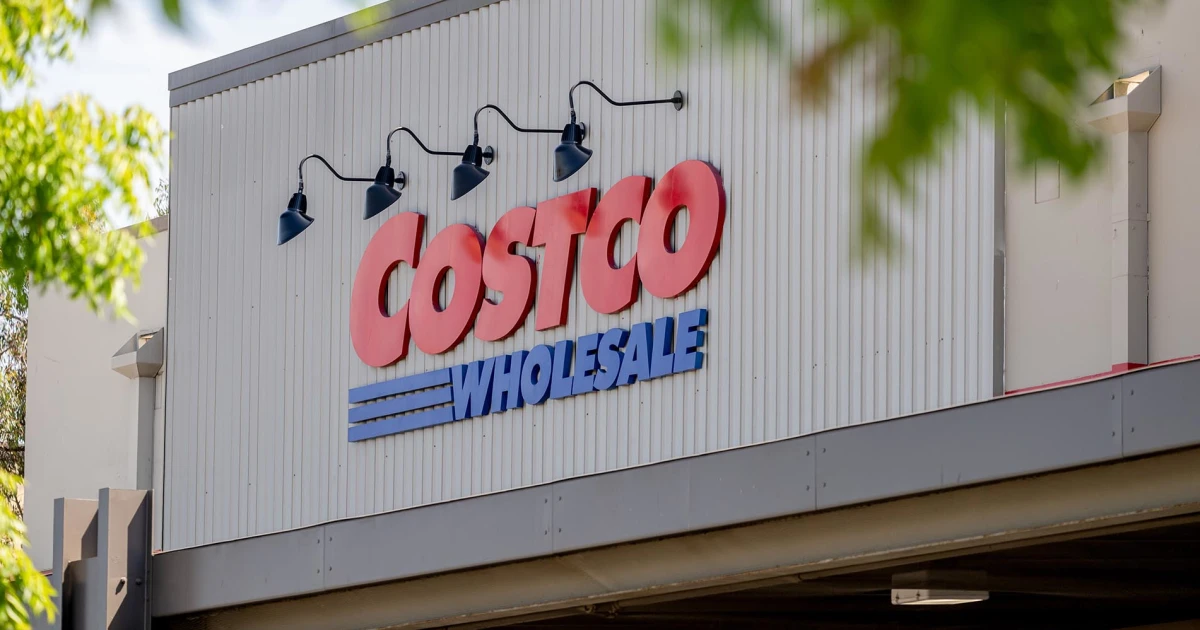
Costco Tariff Refund Lawsuit intensified Friday after Costco filed a complaint seeking assurance that it can reclaim tariff payments if the U.S. Supreme Court limits President Donald Trump’s power to impose duties. The company argued that Trump’s use of the International Emergency Economic Powers Act created financial uncertainty for large importers. Costco said the government’s refusal to extend its deadline for tariff calculations now threatens its ability to secure full refunds.
The Costco Tariff Refund Lawsuit aligns the retailer with dozens of companies that want to safeguard reimbursement rights. Based in Issaquah, Washington, Costco reported US$275.2 billion in revenue in its last fiscal year, making it one of the largest firms challenging the administration’s approach. Customs and Border Protection declined to comment, and Costco has not publicly addressed the lawsuit.
Growing Corporate Pushback
Several major companies have filed similar suits. Bumble Bee Foods, EssilorLuxottica, Kawasaki Motors, Revlon, and Yokohama Tire all acted to preserve potential refunds, according to court records. These companies believe the administration may have exceeded its authority by using a 1977 emergency powers statute to impose broad tariffs.
During the November 5 Supreme Court hearing, justices from both ideological camps questioned whether Trump legally applied the emergency law. Their skeptical tone signaled potential limits on presidential authority, although the court has not said when it will issue a ruling. The case is proceeding under an accelerated timeline because tariff disputes affect ongoing business operations.
Costco’s Strategy to Manage Tariffs
Costco has already adjusted its global supply chain to reduce tariff exposure. The retailer cut the number of international suppliers, increased local sourcing, and expanded reliance on its private-label Kirkland brand. These moves aim to maintain stable pricing for customers while protecting profit margins.
However, the company said these internal steps do not solve the central legal issue: whether the government must refund tariff payments if the Supreme Court restricts Trump’s authority. Without clarity, Costco warned that it risks losing tens of millions of dollars in reimbursements.
What Comes Next
Legal analysts say the decision could reshape the balance of power between Congress and the presidency on trade issues. A ruling against Trump could trigger billions in refund claims, while an endorsement of his actions may embolden future presidents to impose tariffs unilaterally.
For now, companies continue filing lawsuits to preserve refund rights. The Court’s final decision will determine whether those protections hold and whether importers like Costco recover improperly collected funds.
“For more related stories, visit PhoenixQ Today News.”