English






































“compiled: Elmili TK”
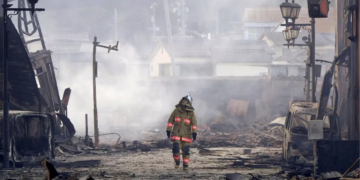
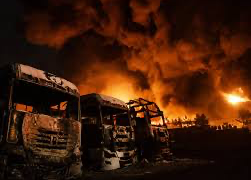
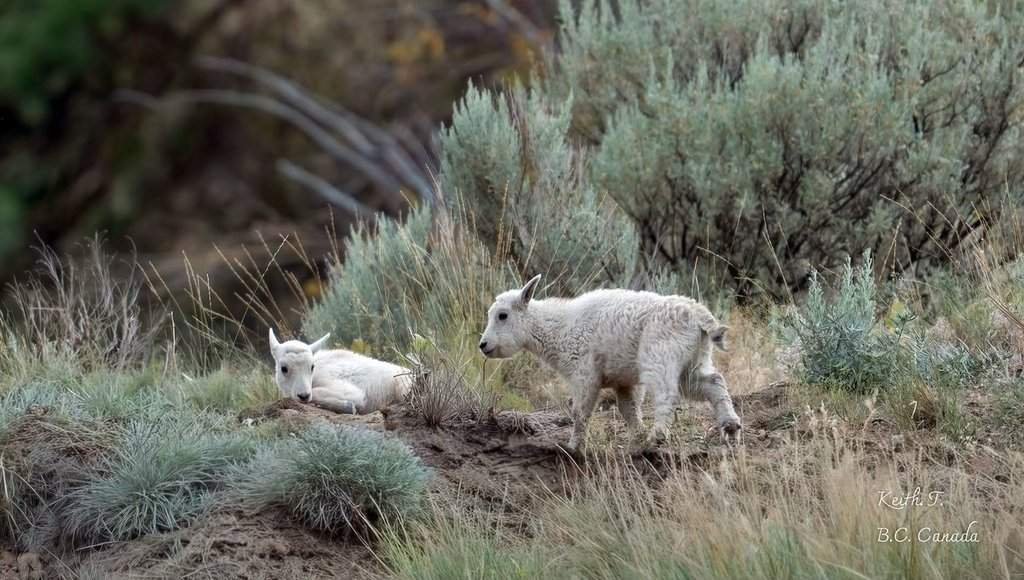
A fast-spreading wildfire in British Columbia raises grave concerns about mountain goat wildfire survival near Okanagan Lake. Drivers heading south along Highway 97 frequently spotted the iconic white animals clinging to steep rock cliffs. The sudden Bald Range wildfire rapidly engulfed their natural habitat last Friday. High winds pushed the aggressive blaze toward several nearby residential communities. Consequently, flames forced the swift evacuation of Summerland, Peachland, and surrounding rural areas.
Experts Warn of High Mortality Rates
University of British Columbia Okanagan biology professor Michael Noonan fears many goats perished in the blaze. He noted that countless residents feel a deep personal connection to these visible animals. Currently, the emergency highway closure prevents biologists from conducting formal field surveys in the area. Unverified sighting reports leave the true condition of the local herd completely unknown. Local fire department officials also confirm they lack clear information regarding surviving animals. Community members eagerly await official updates from wildlife biologists and emergency crews.
“Stay one step ahead of the news with PhoenixQ”
Instincts Drive Goats Into Danger
Noonan studied mountain goat responses during the severe 2003 Cathedral Park fires. His research shows that mountain goats typically react only when flames reach an immediate distance. This lack of proactive instinct poses extreme danger during fast-moving wildfire events. Instinctively, frightened goats flee upward toward steep cliff edges to escape immediate threats. However, forest fires also climb steep slopes rapidly, trapping animals within burning trees. Goats already living above the natural tree line face significantly lower immediate risks.
Vulnerable Population Faces Regional Risks
Isolated goat populations in southern British Columbia face higher vulnerability than larger northern herds. Geography and human developments like highways, farms, and homes severely fragment local habitats. These physical barriers hamper the ability of animals to flee intense fires successfully. Biological experts warn that repeated fire events could easily wipe out regional herds entirely. Struggling populations face steep recovery challenges from even minor ecological setbacks.
Rebuilding Wildlife Corridor Connectivity
Wildlife experts urge planners to design connected escape corridors for vulnerable animal species. Human communities build clear evacuation routes to protect residents during dangerous natural disasters. Animals deserve similar landscape connectivity planning to survive increasing environmental pressures. Final answers regarding the herd’s mountain goat wildfire survival will await full fire suppression. Meanwhile, local conservationists mourn potential losses amid broader regional biodiversity decline.