English













































“compiled: Elmili TK”
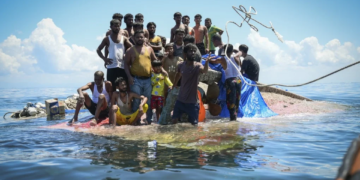
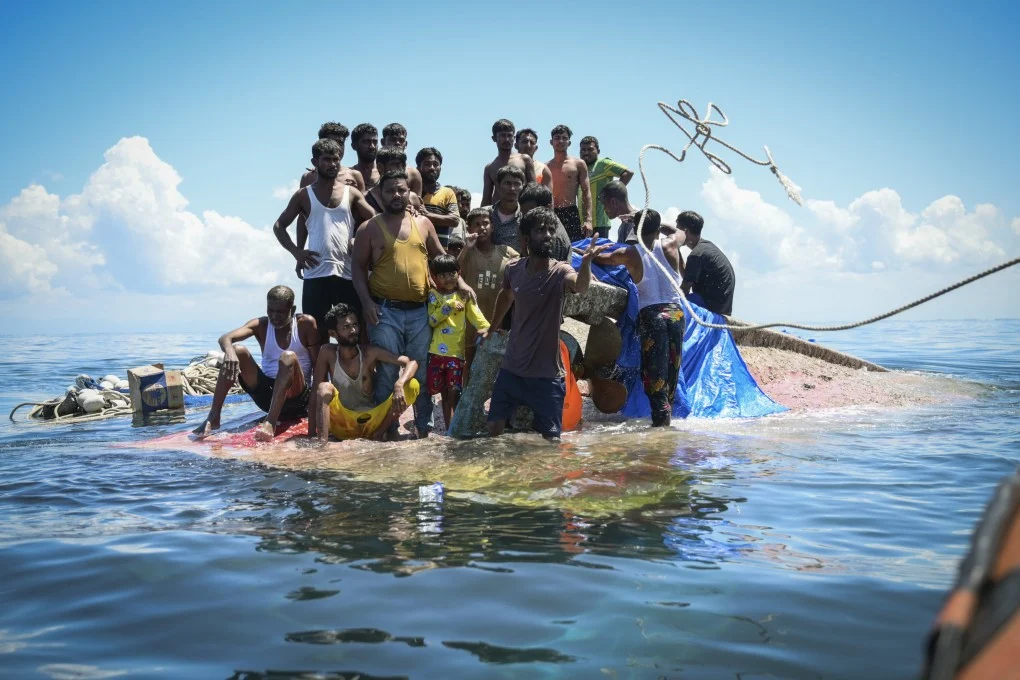
More than 500 people are feared dead after two vessels carrying Rohingya refugees capsized off Myanmar’s coast. Preliminary reports indicate the boats departed from Rakhine State in late June. Many passengers fled from overcrowded refugee camps in neighboring Bangladesh to seek safety. One vessel carrying 250 people lost contact shortly after its departure. A second boat reportedly sank off the Ayeyarwady coast on July 8. That ship carried an estimated 280 passengers during the dangerous journey. The Rohingya boat disaster underscores the extreme risks refugees face while fleeing persecution and violence.
Dangerous conditions claim lives
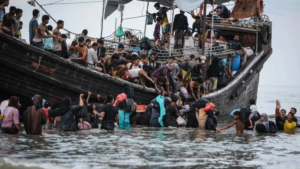
These refugees usually avoid sea crossings during the current monsoon season. Torrential rain and flooding make the Bay of Bengal particularly perilous for small vessels. UN agencies confirm that these journeys occurred well outside the regular sailing season. The boats remain ill-suited for high seas and often carry far too many people. Smuggling networks frequently exploit the desperation of those seeking protection and better opportunities. This Rohingya boat disaster adds to a growing list of maritime tragedies in the region.
“Stay connected to every major update — subscribe and follow us on the PhoenixQ website and across our social media platforms.”
Worsening crisis drives departures
Around 1.2 million stateless Rohingya currently live in squalid, overcrowded camps in Bangladesh. Recent funding cuts have reduced food rations and essential services for these displaced people. Simultaneously, escalating conflict in Myanmar’s Rakhine State traps civilians between rival forces. Refugees see no safe path home while the military regime remains in power. Consequently, more people choose to risk their lives on these hazardous ocean crossings. Nearly 300 refugees were already reported dead or missing in these waters earlier this year.
Urgent need for regional action
The international community must now address the lack of sustainable solutions for the Rohingya people. UN agencies urge regional governments to enhance search and rescue efforts immediately. They also call for better access to asylum and protection for those who flee. Smuggling and trafficking networks continue to profit from this humanitarian catastrophe. Without stronger intervention, the Bay of Bengal will remain one of the world’s deadliest maritime routes. Enhanced cooperation is vital to prevent further loss of life among the most vulnerable.