English
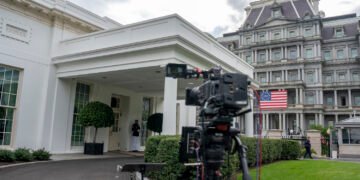






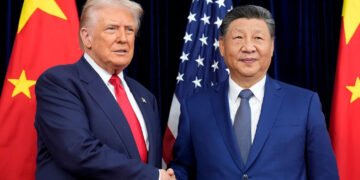
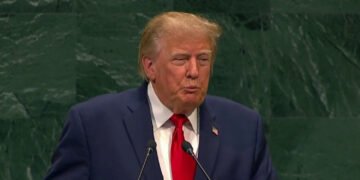





















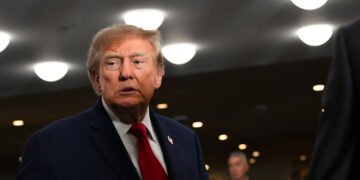






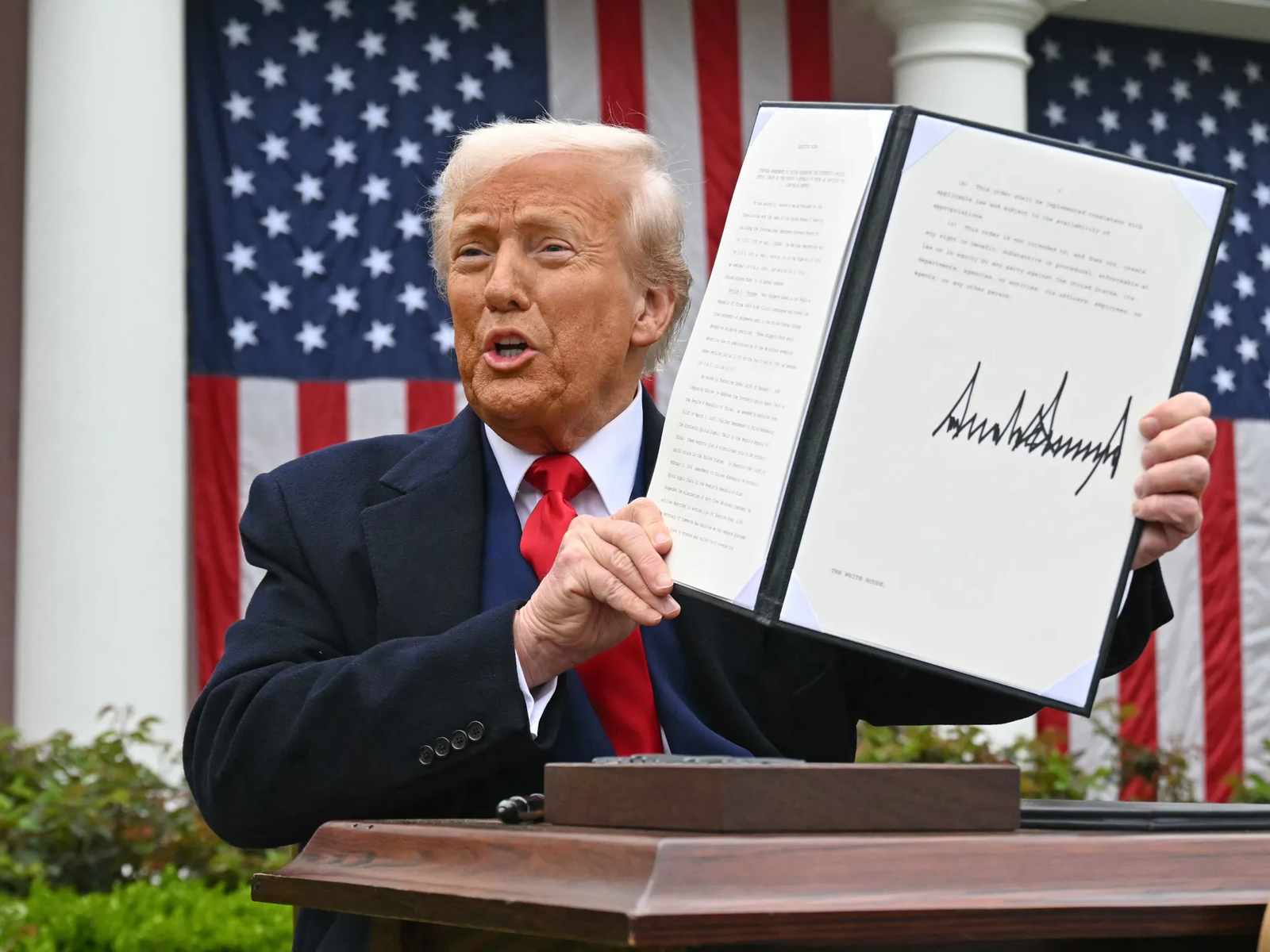
Trump global tariff lawsuit efforts intensified Thursday as two dozen states sued the federal government. Democratic attorneys general and governors argue the President overstepped his constitutional authority. Trump recently imposed 15 percent import taxes on much of the world. This move followed a significant defeat at the Supreme Court regarding his previous trade policies. Now, the President invokes Section 122 of the Trade Act of 1974 to justify the levies. He claims these duties remain essential to reduce America’s long-standing trade deficits. However, critics argue the administration is simply trying to bypass the court’s earlier ruling.
Debating the Legality of Section 122
The lawsuit contends that Section 122 applies only to specific, limited financial circumstances. Historically, this provision addressed “fundamental international payments problems” tied to the gold standard. Since the U.S. no longer links the dollar to gold, many call the law obsolete. Furthermore, the Trump global tariff lawsuit points to a contradiction in the administration’s own logic. Last year, the Justice Department argued Section 122 had no “obvious application” for fighting trade deficits. Now, Treasury Secretary Scott Bessant plans to raise the levies to the maximum legal limit this week. States fear these sweeping taxes will drive up costs for businesses and everyday consumers. “For more related stories, visit PhoenixQ Today News.”
A Battle Between Branches of Government
Oregon Attorney General Dan Rayfield leads the legal challenge alongside New York, California, and Arizona. They argue that the focus should remain on refunding companies for previously illegal tariffs. Conversely, some legal analysts believe Trump has a stronger case this time. The Court of International Trade previously suggested Section 122 was a valid tool for trade issues. This specialized court in New York will now hear the states’ new arguments. Meanwhile, other tariffs on Chinese imports remain in place from Trump’s first term. Those duties utilized Section 301 and have already survived various court tests.
Economic Consequences for American States
Twenty-four states joined the legal action, including Michigan, Illinois, and Virginia. Governors from Kentucky and Pennsylvania also signed on to protect their local economies. They claim the tariffs create unnecessary financial chaos and risk global market stability. If the court does not intervene, these taxes will last for at least five months. Only Congress has the power to extend them beyond that initial timeframe. For now, the nation waits to see if the judiciary will once again restrain the President’s trade powers.