English






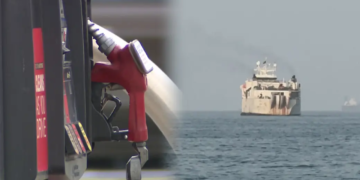






























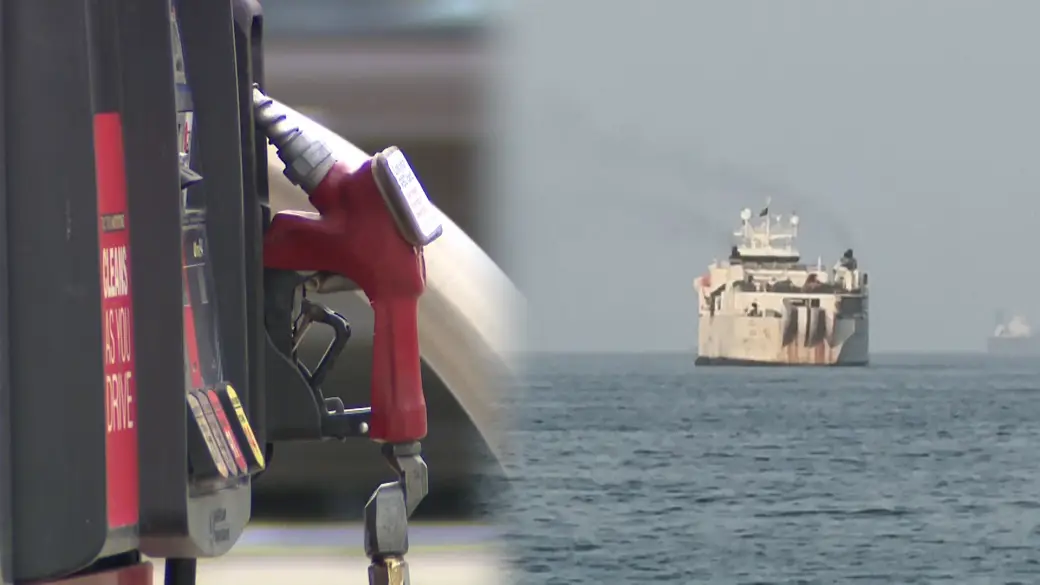
U.S. halts Iran oil sales after recent projectiles struck tankers in the Strait of Hormuz. Authorities revoked a general license on Tuesday that previously authorized these energy transactions. Officials now warn that Tehran’s recent aggressive actions in this strategic waterway remain wholly unacceptable. This abrupt policy shift aims to impose immediate consequences for the dangerous maritime strikes. Consequently, global oil markets reacted sharply to the news by pushing prices up five percent.
Economic pressure mounts on Tehran
The U.S. Treasury allows a brief wind-down period until July 17 for current oil deals. This measure effectively cuts off a vital revenue stream for the Iranian government. Oil exports currently provide billions of dollars to support the nation’s weakening economy. Although Tehran expanded shipments to China despite previous restrictions, this new ban creates significant financial strain. Washington intends to increase economic pressure to discourage further regional aggression and regional instability.
“Stay connected to every major update — subscribe and follow us on the PhoenixQ website and across our social media platforms.”
Diplomatic efforts reach a breaking point
This escalation threatens the fragile diplomatic understanding currently under negotiation between Washington and Tehran. Both nations previously worked toward a deal involving nuclear limits and significant sanctions relief. However, reports suggest Iran fired on three commercial vessels in the narrow, critical waterway. The U.S. remains open to good-faith negotiations but insists that regional security represents a non-negotiable priority. Further retaliation from either side risks derailing any chance for a broader diplomatic agreement.
Global energy markets face uncertainty
The Strait of Hormuz serves as a vital energy chokepoint for the entire world. Approximately twenty percent of daily global oil consumption passes through this narrow maritime corridor. Any prolonged disruption threatens to increase fuel costs for consumers and governments everywhere. Traders closely monitor the situation as geopolitical tensions rise in the Persian Gulf. As uncertainty persists, governments must prepare for potential supply chain delays and further market volatility throughout the summer.