English














































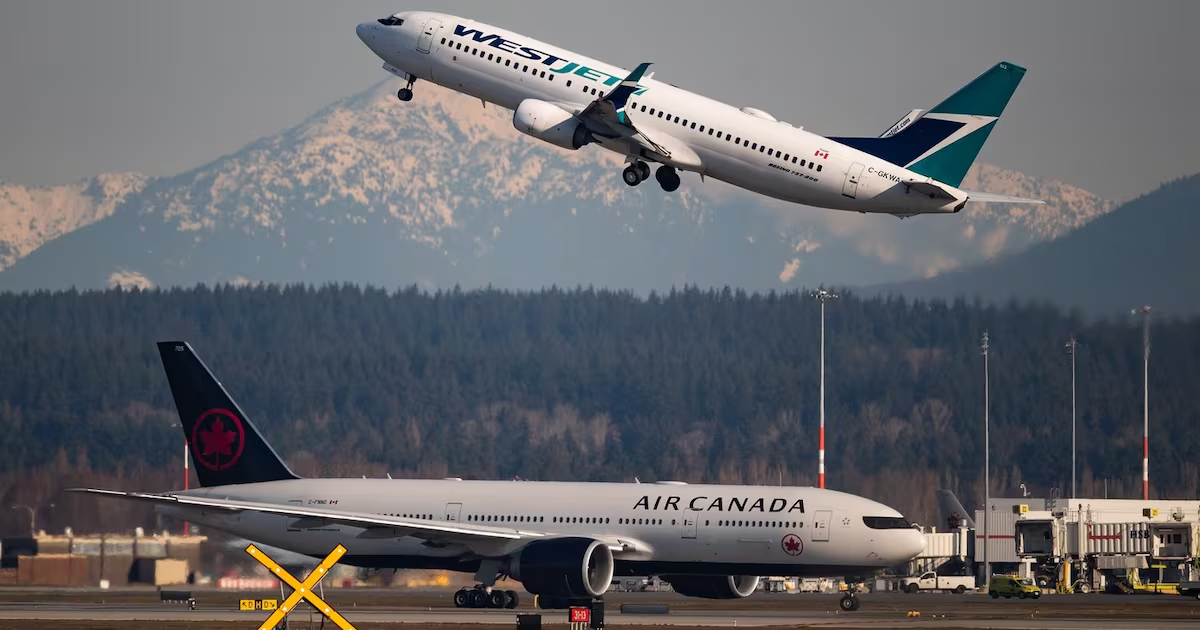
The Manulife Travel Insurance Policy now excludes coverage for worldwide jet fuel shortages. This change officially took effect on May 5, 2026. The Canadian insurance giant issued a formal advisory regarding these disruptions. It now classifies the fuel crisis as a “known event.” Consequently, travelers must prepare for potential out-of-pocket expenses. This decision follows similar restrictions for trips to Cuba and the Middle East. Passengers should check their protection plans before heading to the airport.
New Rules for New Policies
Manulife implemented the new rules earlier this week. Customers who purchased a Manulife Travel Insurance Policy on or after May 5 face strict limits. The company will not provide benefits for flight cancellations linked to fuel shortages. However, the situation differs for those who bought coverage before the deadline. These policyholders may still qualify for misconnection or disruption benefits. This protection applies specifically if fuel delays disrupt an insured person’s journey home. Therefore, timing remains critical for any traveler seeking financial security.
“From politics to business, read the latest headlines on PhoenixQ.”
A Shift in Coverage Categories
The company now views fuel scarcity as a foreseeable risk. In the insurance world, a “known event” cancels the chance for specific claims. Manulife stated that benefits would not apply due to the current global situation. Furthermore, this logic applies to both trip cancellations and interruptions occurring now. Insurers typically avoid covering risks that the public already anticipates. As a result, the burden of flight delays shifts back to the passenger. This move reflects a broader trend in the travel protection industry.
Regional Exclusions Already in Place
The fuel shortage exclusion is not the only recent change. Manulife already applied similar policies to specific geographic regions earlier this year. For instance, Cuba became a known event on February 10, 2026. Shortly after, the Middle East received the same classification on February 28. These regions currently face unique geopolitical and logistical challenges. Consequently, travelers to these areas cannot claim benefits for regional disruptions. This comprehensive approach signals a more cautious stance from Canadian insurers.
Preparing for Future Travel Uncertainties
Passengers should carefully review their policy documents before booking flights. Many other firms might soon follow Manulife’s lead. International travel currently involves higher levels of unpredictability. For example, supply chain issues often cause sudden airport shutdowns. Meanwhile, the cost of aviation fuel continues to fluctuate globally. These factors combined create a difficult environment for travel insurance providers. Ultimately, travelers must weigh the risks of uncompensated delays. Proper planning and awareness of policy dates will help minimize financial losses.