English







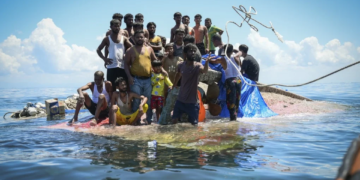


















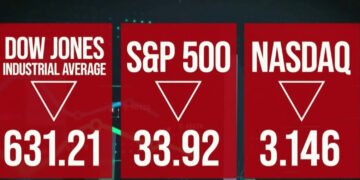



















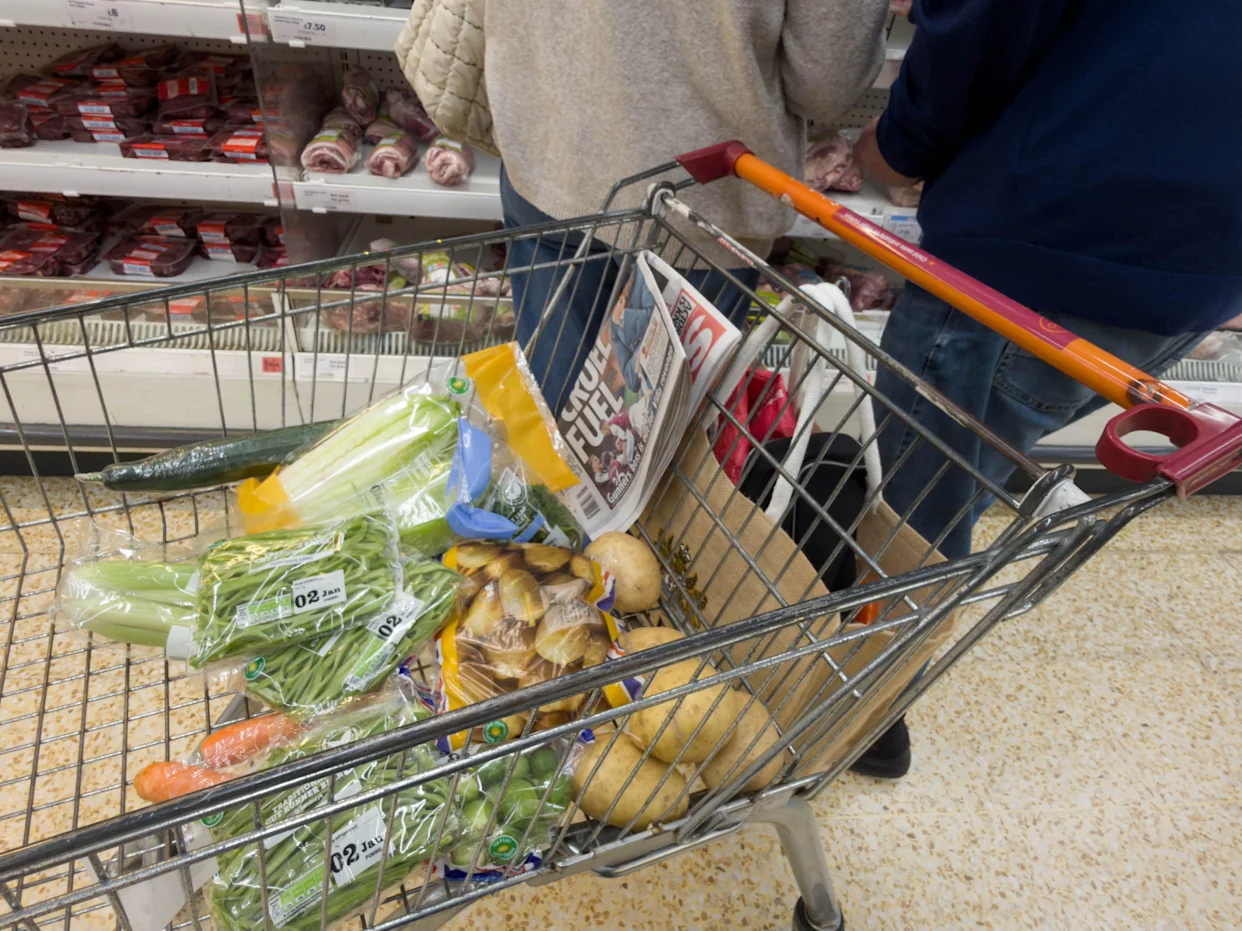
Iran war food prices are climbing as crude oil surges past $100 per barrel. Experts warn that global energy spikes will soon hit grocery aisles. Andre Cire from the University of Toronto says energy impacts every stage of food production. Ships need fuel to move goods across the world. Transportation costs will rise as a direct result of this crisis. Canadians may see a 15% price jump by month’s end.
Shipping Gridlock at the Strait
The Strait of Hormuz has come to a virtual standstill. This vital waterway handles 20% of the world’s oil consumption. Supply chain disruptions now ripple far beyond the Middle East. University of Guelph expert Mike von Massow warns of significant freight delays. These delays increase costs for every product on the shelf. The Iran war food prices surge stems from these choked shipping lanes.
The Rice Crisis and Export Backlogs
Specific staples like Indian basmati rice face immediate price hikes. India is the world’s leading exporter of this premium grain. Currently, 400,000 metric tons of rice remain stuck at ports. Freight rates have more than doubled since the February 28 attacks. Exporters cannot move stocks because container costs are too high. This backlog threatens food security in Europe and North America.
“Stay connected to every major update — subscribe and follow us on the PhoenixQ website and across our social media platforms.”
Long-Term Inflation and Global Fears
President Trump suggests the conflict could last several weeks or longer. A prolonged war would be disastrous for global inflation. High oil prices place sustained pressure on all consumer goods. Four staple crops provide two-thirds of the world’s calories. Disruption in just one key channel impacts global hunger. Uncertainty remains high even if the fighting stops tomorrow. Canadians should prepare for a lasting impact on their wallets.