English














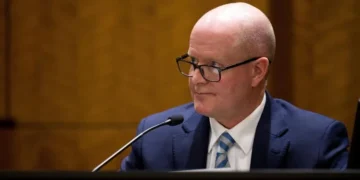
























U.S. President Donald Trump warned of “very severe tariffs” on Trump tariffs Canadian fertilizer Monday. He said imposing tariffs helps bolster domestic production. “A lot of it does come in from Canada,” Trump explained at a White House roundtable. The president also announced ending Biden-era environmental restrictions on farming equipment.
Plan to Boost Domestic Fertilizer Production
President Trump made his tariff threat while announcing a $12-billion tariff relief fund. This fund aims to support American farmers facing rising costs for seed and fertilizer. Agriculture Secretary Brooke Rollins said departments are planning to reshore fertilizer production. She also directed manufacturers to lower their prices. Rollins stated the president clearly wants to know why input costs are “skyrocketing.”
US Farmers Rely on Canadian Potash
Many U.S. farmers depend on Canadian potash fertilizer. Saskatchewan supplies this potash for American soils. Fertilizer Canada confirms that over half of Canada’s total fertilizer exports go to the U.S. Earlier this year, Trump placed a 10 percent tariff on fertilizer. This tariff applies to exports exceeding CUSMA limits. Industry groups and Republican lawmakers like Iowa’s Sen. Chuck Grassley had argued against higher duties. The continuation of Trump tariffs Canadian fertilizer may raise costs further.
Aid Package and Broader Trade War Impact
The trade war has already pushed up fertilizer bills for both Canadian and U.S. farmers. Premier Doug Ford of Ontario suggested Canada should block potash exports. Saskatchewan Premier Scott Moe, however, opposed that tactic. Saskatchewan producer Nutrien recently chose a Washington state location for a new global export facility. This decision angered Canadian politicians.
“Stay connected to every major update — subscribe and follow us on the PhoenixQ website and across our social media platforms.”
Rollins confirmed that $11 billion of the new aid will go to row crop farmers. Payments should disburse by February 28. Treasury Secretary Scott Bessent called the payments a “liquidity bridge.” This supports farmers until they benefit from Trump’s trade deals. Trump said this relief offers “much-needed certainty” to farmers. Farmers expect to see a third straight year of soybean losses in 2025. Government payments to farmers are set to reach a near-record $40 billion this year.