English









































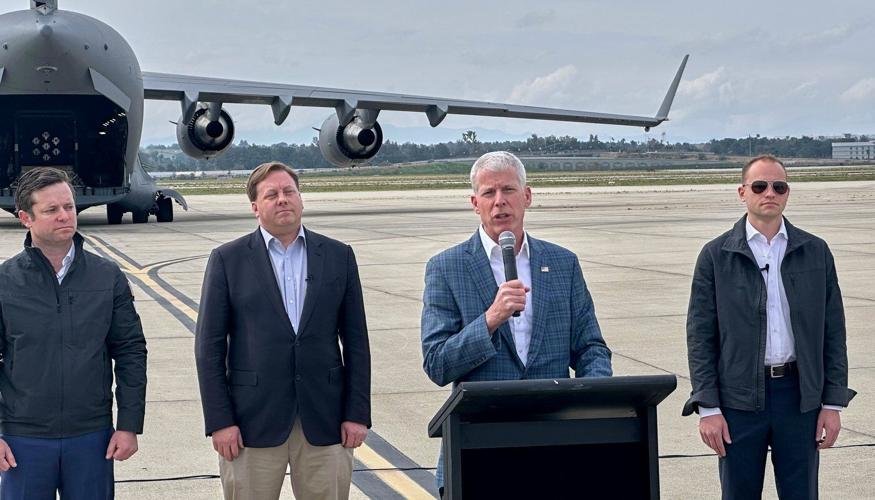
The Trump Nuclear Power Push reached a major milestone this past weekend. The U.S. military airlifted a microreactor for the first time in history. A C-17 aircraft transported the heavy unit from California to Utah. This 700-mile flight signals a massive shift in national energy strategy. The administration aims to deploy nuclear energy at record speeds. They want to meet the growing electricity needs of data centers.
A Historic Flight for Energy
Energy Secretary Chris Wright joined the historic flight to Utah. Undersecretary of Defense Michael Duffey also traveled with the new reactor. The team moved the 5-megawatt device without its nuclear fuel. They believe this proves the U.S. can deploy power quickly. This effort targets the rising energy demands of artificial intelligence. Military bases also require more resilient and independent power sources. “Stay connected to every major update — subscribe and follow us on the PhoenixQ website and across our social media platforms.”
Shifting the Energy Landscape
President Trump actively supports nuclear energy as a reliable source. He recently signed executive orders to bypass traditional regulatory hurdles. These orders give Secretary Wright more authority over specific reactor approvals. This change reduces the power of the independent safety agency. The Trump Nuclear Power Push prioritizes speed and innovation over older protocols. The administration wants to fast-track commercial licensing for these small units.
Portable Power for the Future
Valar Atomics built the minivan-sized microreactor in California. It can power approximately 5,000 homes at full capacity. The company hopes to sell power on a test basis next year. Full commercial operations should begin by early 2028. Trump promised that three reactors would reach “criticality” by July 4. This term means the reactor sustains an ongoing reaction. Microreactors offer a portable alternative to massive traditional plants.
Addressing Safety and Skepticism
Critics remain skeptical about the speed of this new deployment. Edwin Lyman from the Union of Concerned Scientists called the flight a “show.” He argues the flight does not prove the system is safe. Officials still need to address nuclear waste disposal plans. Transporting fueled reactors also presents significant security risks. However, the Energy Department is already discussing disposal sites with several states. The microreactor will now undergo rigorous testing in Utah.