English










































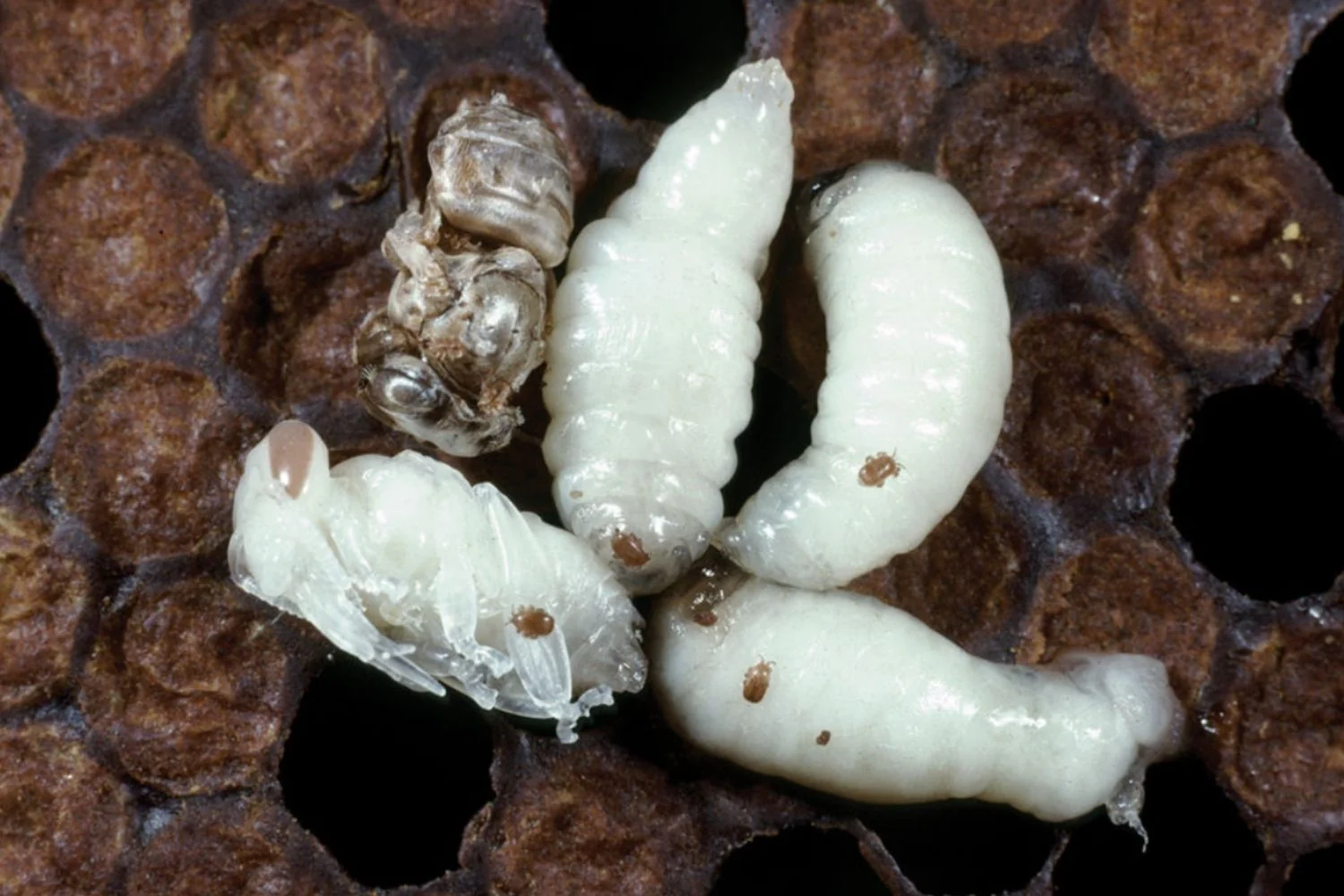
Canadian beekeepers raised urgent concerns on Parliament Hill as the tropilaelaps mite threat continued to grow in parts of Asia. They warned that the rapidly spreading parasite could endanger honeybee colonies across Canada and place several agricultural sectors at risk. The tropilaelaps mite threat now sits at the center of national discussions about biosecurity and food production.
Beekeepers Push Ottawa for Immediate Action
Representatives from the Canadian Beekeepers Federation and the Alberta Beekeepers Commission traveled to Ottawa to press federal officials for swift action. They argued that Canada must protect its pollinators before the invasive mite reaches North America. Their message remained clear: stop all bee imports from outside the continent now, before the pest finds a path into Canada.
Industry leaders emphasized the economic stakes. Honeybees pollinate a vast range of crops, from berries to canola, and ensure stable harvests each year. According to the Canadian Cattlemen’s Association, a widespread infestation would harm agriculture far beyond beekeeping. This potential impact created additional urgency in the discussions with federal officials.
Concern Over Imports and Biosecurity
Kenny Bordewyk, president of the Alberta Beekeepers Commission, said Canada cannot risk exposing its bee population to this emerging parasite. He called for a complete halt to imports from regions outside North America, stressing that even a single contaminated shipment could trigger irreparable damage.
However, Canadian beekeepers also face a challenge that complicates the issue. Honeybees are not native to Canada, and many colonies struggle to survive the winter. As a result, beekeepers rely on annual imports to rebuild their hives. The balance between protecting bees and ensuring enough hive strength for the season has become increasingly difficult to maintain.
Calls to Reopen U.S. Bee Imports
Conservative MP Arnold Viersen joined the beekeepers in Ottawa and urged the government to restore bee imports from the United States. Canada banned these imports years ago because of other pests, but Viersen argued that reopening the border could offer a safer, North American-based supply. He said a controlled U.S. import program would reduce reliance on global suppliers and strengthen Canada’s defenses against the tropilaelaps mite threat.
A Growing National Concern
Experts agree that Canadian agriculture faces significant vulnerability. As pressure grows, federal policymakers must decide whether to impose stricter biosecurity rules or adjust import policies to ensure both safety and supply. Beekeepers now hope Ottawa will act quickly, as every season of delay increases the risk of exposure.
“Stay connected to every major update — subscribe and follow us on the PhoenixQ website and across our social media platforms.”