English


























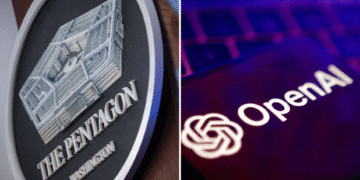



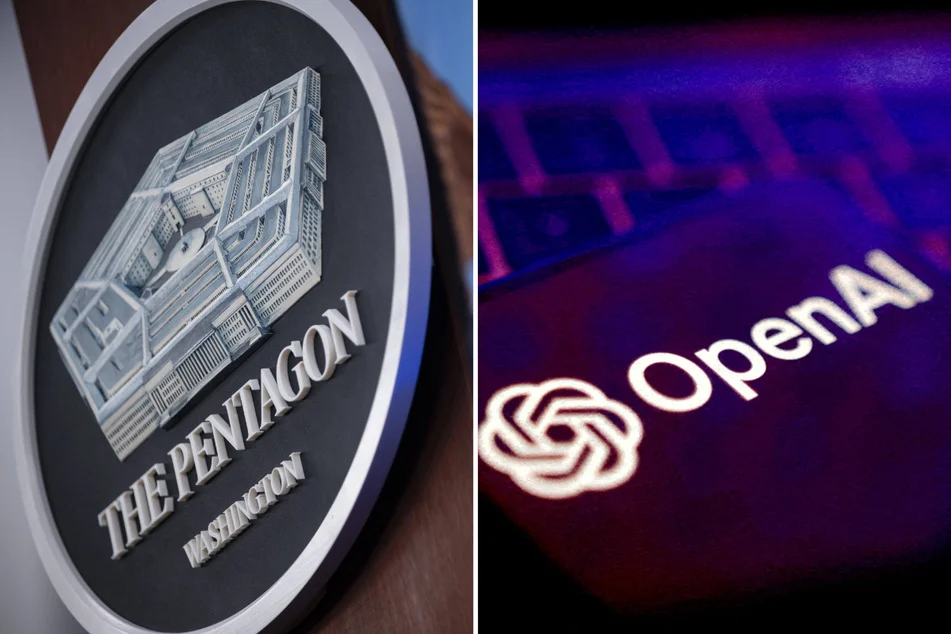
The OpenAI Pentagon Deal Controversy dominates tech circles following the firm’s agreement to provide AI models for classified government systems. Chalk messages outside the San Francisco office asked pointed questions about redlines and safety safeguards. Many employees now express frustration regarding how leadership handled the clandestine negotiations. The tension stems from a perception that OpenAI rushed the deal while ignoring internal ethical guidelines. The company faces a difficult balancing act between government contracts and safety.
The Anthropic Contrast
Anthropic previously rejected an update to its Pentagon contract. It refused language that violated its rules against autonomous weapons and mass surveillance. The Pentagon subsequently blacklisted Anthropic as a supply chain risk. OpenAI staff now praise Anthropic for standing up to the defense giant. Meanwhile, they view OpenAI’s handling of their own contract as opportunistic and sloppy. Employees feel proud of their culture where people speak their minds freely. “For more related stories, visit PhoenixQ Today News.”
Communication Failures
CEO Sam Altman initially publicly supported Anthropic’s redlines. However, he simultaneously negotiated a secret deal to replace them. Critics erupted when OpenAI announced its Pentagon agreement shortly after. Observers questioned the actual strength of OpenAI’s safety guardrails. Many critics believe the language allows for the circumvention of necessary safeguards. Research scientist Aidan McLaughlin publicly questioned if the deal offered sufficient value.
Navigating Global AI Competition
Altman acknowledged the communications breakdown during recent internal meetings. He admitted that rushing the contract represented a significant mistake. On Monday, he adjusted the deal to restrict the use of services in surveillance programs. However, language regarding autonomous weapons remained absent from the update. The OpenAI Pentagon Deal Controversy continues to drive intense debate within the company walls. Employees still demand transparency and independent legal analysis regarding the new terms.
Altman argues that governments should work with safety-conscious labs. He believes OpenAI holds better standards than companies with fewer protections. He even urges the government to drop the supply chain risk designation for Anthropic. The internal atmosphere remains volatile as the firm balances government contracts with its safety mission. Leadership faces the challenge of rebuilding trust with its talented staff. The company must now prove that profit and military interests do not override their commitment to safety.