English






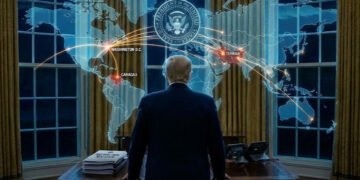









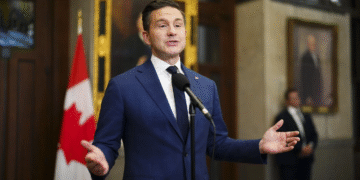













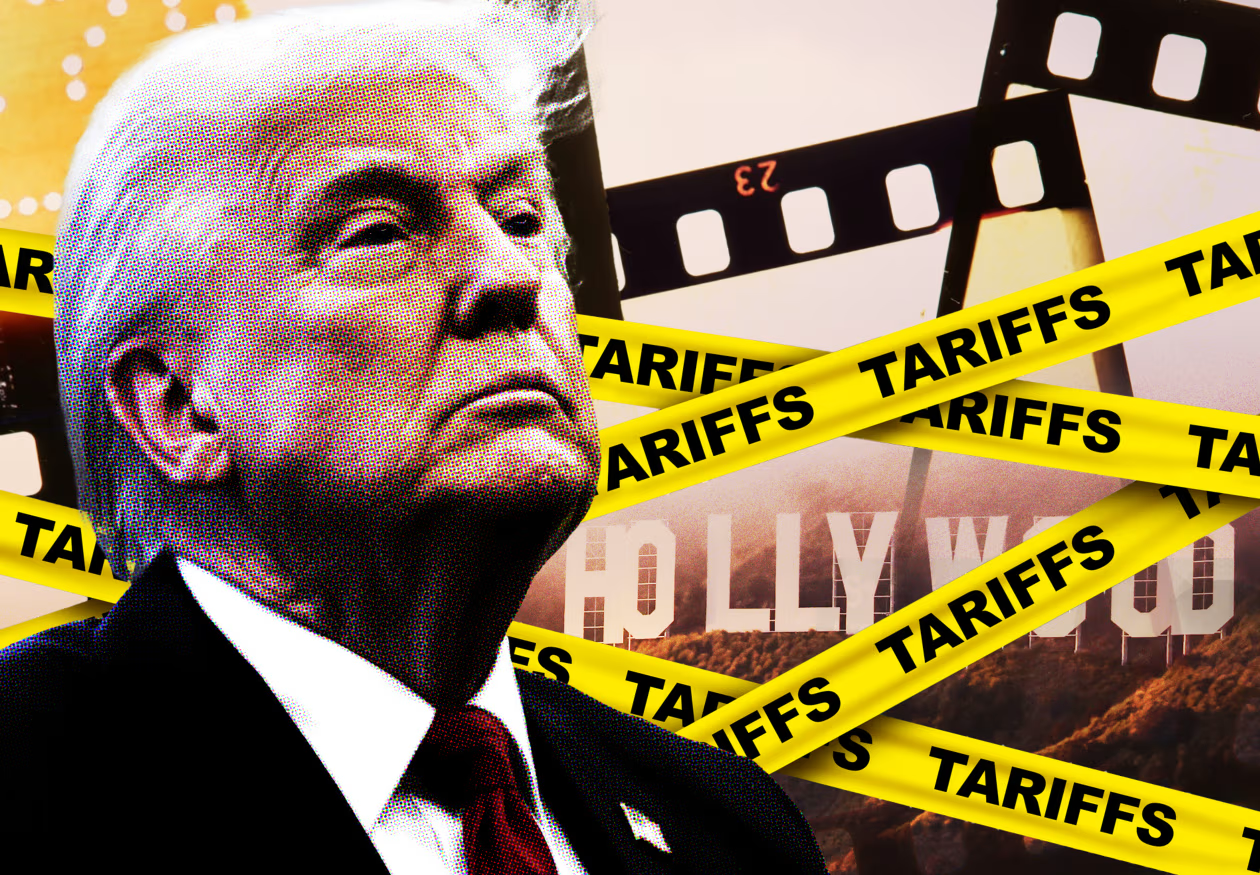
U.S. President Donald Trump announced on Monday that he will impose a movie tariff on imports, setting the rate at 100%. The measure extends his “America First” trade agenda into cultural industries. Moreover, it introduces an unprecedented challenge to Hollywood’s reliance on global markets.
Trump argued that foreign countries are undermining American filmmaking. On Truth Social, he wrote: “Our movie making business has been stolen from the United States, just like stealing candy from a baby.”
Hollywood fears financial fallout
Major studios depend heavily on international revenue streams. Therefore, the new movie tariff on imports could disrupt business models built on overseas markets. In addition, global co-productions involve financing, filming, and editing across multiple nations, complicating enforcement.
Shares of Netflix fell 1.5% in early trading after Trump’s remarks. Meanwhile, Warner Bros Discovery, Comcast, Paramount Skydance, and Netflix all declined to comment.
Legal and trade doubts grow
Analysts question the legal authority behind the move. Films are considered intellectual property and part of the global trade in services. Therefore, applying tariffs raises doubts about compliance with trade law.
Furthermore, defining what qualifies as a “foreign-made” film remains unclear. Today’s productions often blend resources from several countries. As a result, classifying a movie as imported may prove nearly impossible.
Industry reacts with confusion
Earlier this year, Trump floated the idea of film tariffs with little detail. Consequently, entertainment executives admitted they were “flummoxed” about enforcement. One insider stressed that global collaboration makes such tariffs impractical.
Moreover, the lack of clarity creates hesitation among investors. Without concrete rules, Hollywood risks financial instability at a time when streaming competition already pressures profits.
Cultural and political risks ahead
The plan signals Trump’s readiness to use protectionism beyond manufacturing. However, critics warn that other countries may retaliate by limiting access for U.S. films. In turn, American studios could lose billions in global box office sales.
Hollywood now faces a period of uncertainty. Therefore, studios must prepare for political, cultural, and financial challenges if the tariff becomes reality.
For more analysis of U.S. trade and cultural policies, visit PhoenixQ.