English




























“Arash Parsa-Analyst and Researcher”
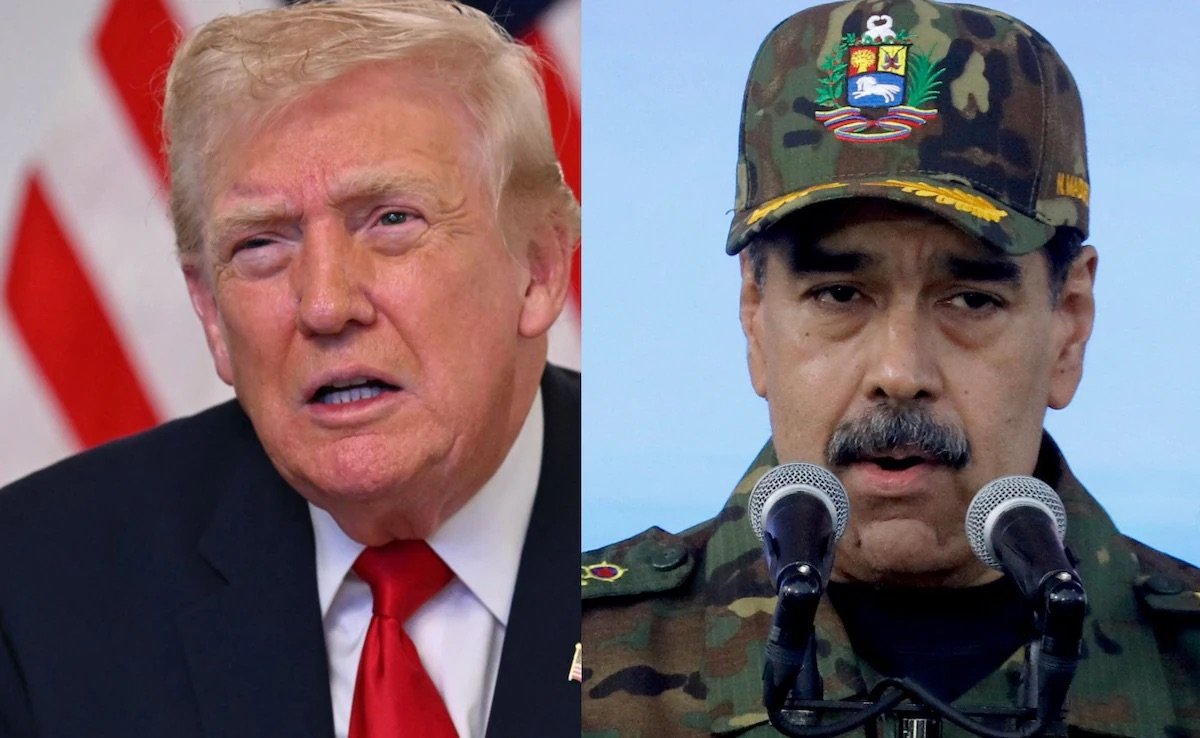
Maduro is at the end of the line. Recent developments in Venezuela clearly indicate this. The government of Nicolás Maduro faces greater pressure than ever before. Public dissatisfaction in Venezuela is rising. Maduro’s political legitimacy has declined. Economic and diplomatic pressure has also intensified. Many observers speak of the “final stage of the Maduro regime.” This situation raises a crucial question for Middle East analysts: If Maduro is on the verge of exiting the stage, could a similar scenario happen to Iran?
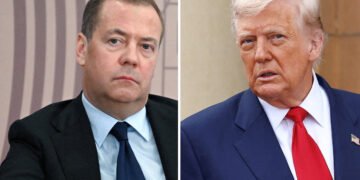
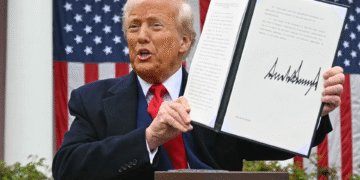
This important question coincides with an imminent meeting. Donald Trump and Benjamin Netanyahu will meet soon. This meeting could potentially change the trajectory of regional developments. Its consequences will likely extend beyond the Middle East. Trump’s return to foreign policy prominence is significant. His strategic closeness with Netanyahu makes this meeting a defining moment.
Venezuela: The Erosion of the Power Structure
Venezuela has struggled with a deep set of crises in recent years:
-
Oil production has sharply declined.
-
Unprecedented inflation has collapsed the currency’s value.
-
Millions of citizens have migrated.
-
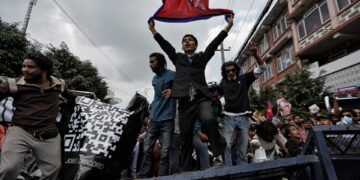
Widespread and prolonged protests persist.
International pressure also eroded the Maduro government’s power structure. Targeted US sanctions were effective. Diplomatic isolation and support for the opposition accelerated the process. Washington directly hastened the existing erosive trend.
The US Doctrine: Preventing Encroachment in the Backyard
One reason for the intense US pressure on Venezuela is geopolitics. Washington does not allow the influence of rival powers to grow. China, Russia, and Iran are under scrutiny in the US neighborhood. The White House will not permit these countries to penetrate the US “backyard.” Therefore, the US acts to prevent their strategic influence.
Comparison: Iran and the Venezuela Scenario
A complete application of Venezuela’s conditions to Iran is not precise. However, some similarities have fueled comparisons:
-
Economic Pressure and Sanctions: Iran, like Venezuela, is under extensive economic and financial pressure. However, Iran’s economic structure is more diversified and less reliant on a single product than Venezuela’s.
-
Social Discontent: A visible gap exists between the ruling establishment and segments of society in both countries.
-
Trend of Foreign Isolation: Venezuela gradually lost its allies. Iran has also faced reduced alignment with some powers in recent years. Nevertheless, Iran’s regional influence remains significant.
The Trump-Netanyahu Meeting: Strategic Significance
This upcoming meeting could have three key regional implications.
-
Rebuilding the Anti-Iran Coalition: During his first term, Trump focused on simultaneous political and economic pressure on Iran. Renewed cooperation with Netanyahu will strengthen this approach.
-
Potential Implementation of a “New Version of Maximum Pressure”: A stricter version of the maximum pressure policy is likely. Its impact will be directly felt on Iran’s economy. This is similar to what happened in Venezuela.
-
Changing the Middle East Balance: Political convergence between Washington and Tel Aviv often creates a domino effect. This reaction is observed in Europe and Arab states. The political and security environment surrounding Iran will change.
Is It “Iran’s Turn”?
The answer depends on internal and external factors. Iran has several differences from Venezuela. Iran has unique geopolitics. Its political structures are far more complex. Iran’s regional network is extensive. Its economic resources are multi-layered. These factors limit the possibility of the Venezuela scenario repeating. However, increasing international pressure is dangerous. Intensification of economic problems and social rifts make the situation more sensitive.
The Trump-Netanyahu meeting will likely mark the start of a new chapter in regional policies. How this chapter affects Iran is crucial. This issue depends on domestic decisions and the level of coordination among global powers.
Conclusion
The potential collapse of the Maduro power structure is an alarm bell. This warning is for other regimes grappling with economic and social crises. Maduro is at the end of the line. Iran is in a different and more complex position. However, international developments, particularly the upcoming Trump-Netanyahu meeting, could generate new pressures. Iran’s future depends foremost on domestic developments and how it confronts the challenges ahead.
“Stay informed with the latest news, analyses, and reports on PhoenixQ .”