English









































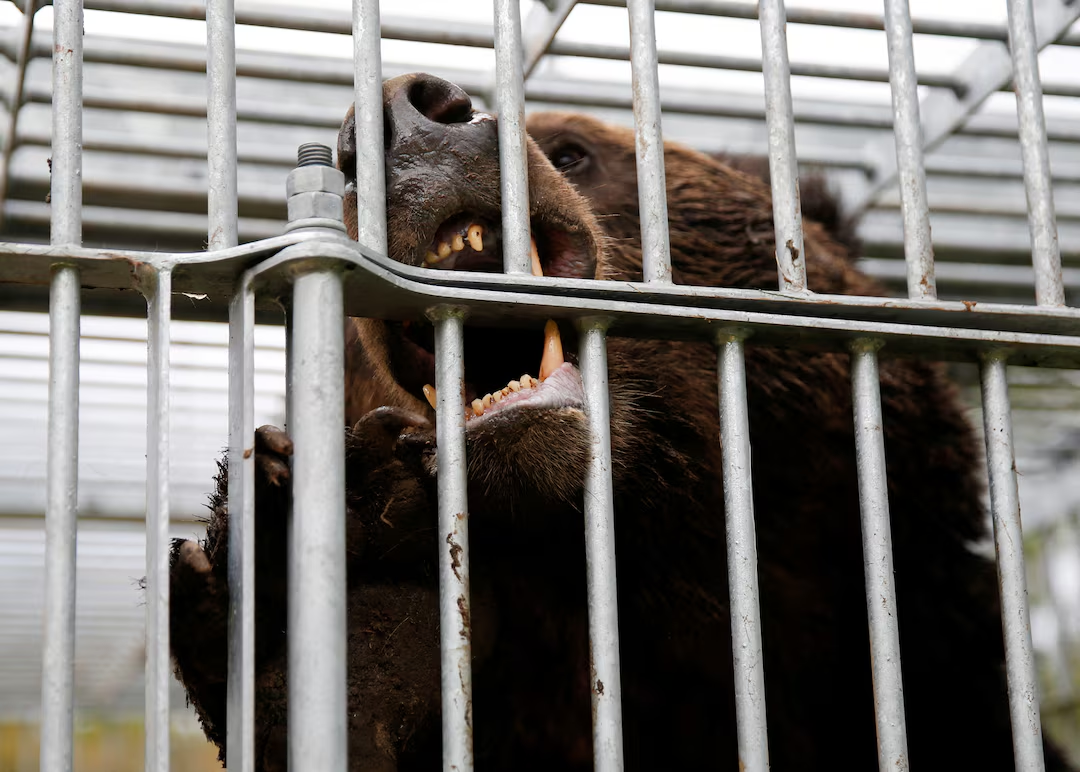
Japan faces an unprecedented rise in bear attacks, and the government now seeks help from retired officers to control the threat. Japan Bear Attack Response has become a top national priority as fatal encounters reach historic levels. Officials say the situation demands immediate and coordinated action.
Record Bear Attacks Push Japan to Act
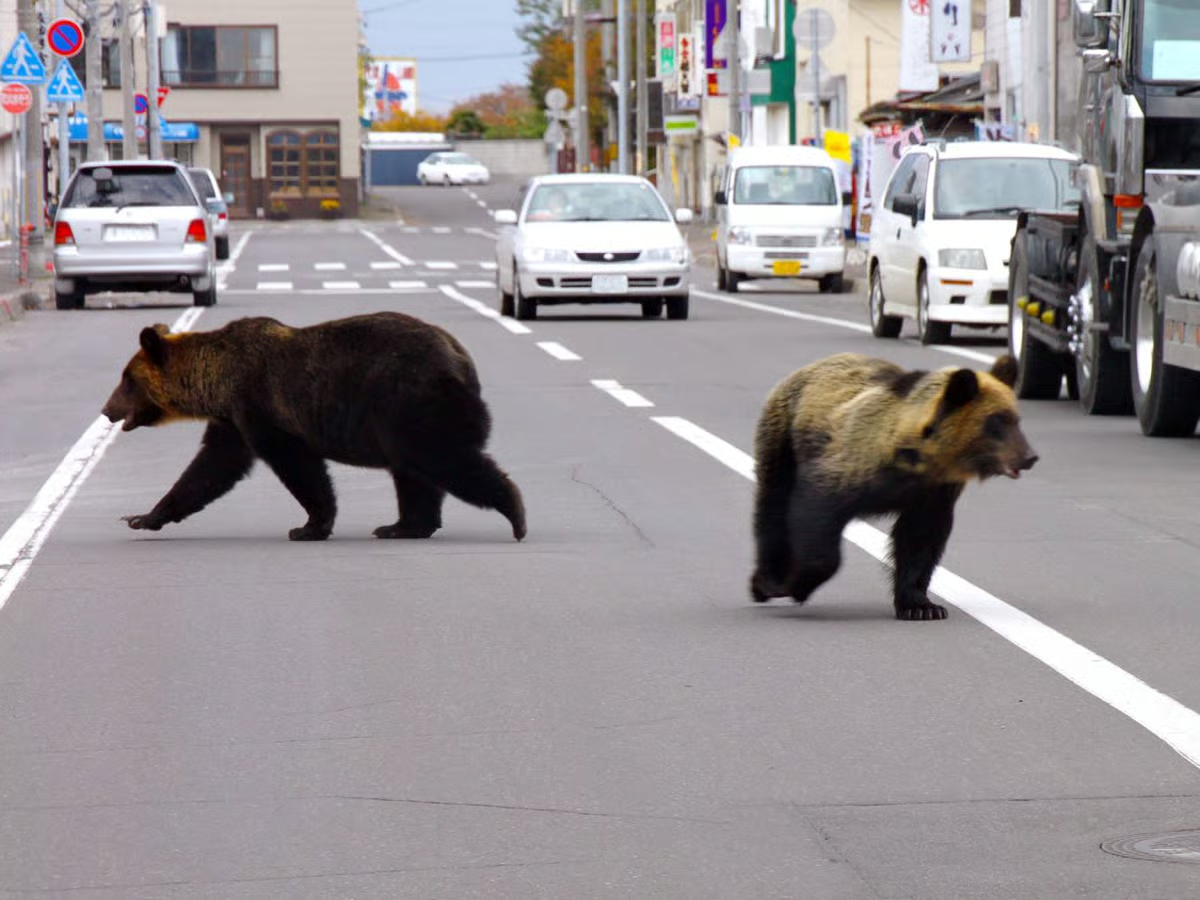
Since April, bears have killed 13 people across Japan. Residents report frequent sightings near homes, schools, shops, and even airports. Northern regions like Akita and Iwate face the highest risk. Moreover, many rural communities say bears walk freely through local streets, creating daily fear.
Scientists link the crisis to three factors. First, the bear population continues to grow. Second, Japan recorded a poor acorn harvest this year. Third, rural depopulation leaves fewer humans to deter wildlife. Consequently, more bears push into crowded neighborhoods in search of food.
Government Mobilizes Retired Police and Soldiers
Chief Cabinet Secretary Minoru Kihara led a special ministerial meeting and announced a new policy package. The government will now ask retired police and former soldiers with gun-handling experience to join bear-culling operations. This measure expands earlier efforts that relied on local hunters and riot police.
Kihara said the strategy aims to remove bears from human spaces and strengthen capture operations. Authorities will also offer subsidies to municipalities. These funds support population surveys, spring culling after hibernation, and the purchase of traps.
Police and Troops Already Patrol High-Risk Areas
Some municipalities already deploy riot police alongside hunters to shoot or trap aggressive bears. Officers in Iwate began rifle patrols on Thursday after Japan eased gun regulations. Active-duty troops also assist by transporting traps and captured bears. Local officials say coordinated patrols help reduce the number of bears entering towns.
International Embassies Issue Safety Alerts
The crisis has drawn global attention. The U.S. Embassy in Tokyo issued a “wildlife alert” urging people to avoid walking alone in bear-prone areas. Meanwhile, British authorities advised travelers to avoid solo hikes where bears appear frequently.
Recently, a bear cub near Iwate Hanamaki Airport forced the closure of the runway for over an hour and delayed two domestic flights. Local officials say these disruptions highlight the growing urgency of Japan’s bear attack response.
Growing Concerns Across Japan
Residents fear new attacks as sightings increase weekly. Although the government now moves aggressively, experts warn that long-term solutions require wildlife management, stronger rural support, and sustained monitoring.
For more related stories, visit PhoenixQ Today News.