English









































“Editor-in-Chief: SHAPOUR-T”
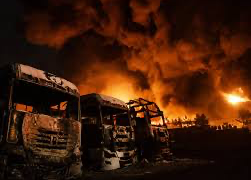
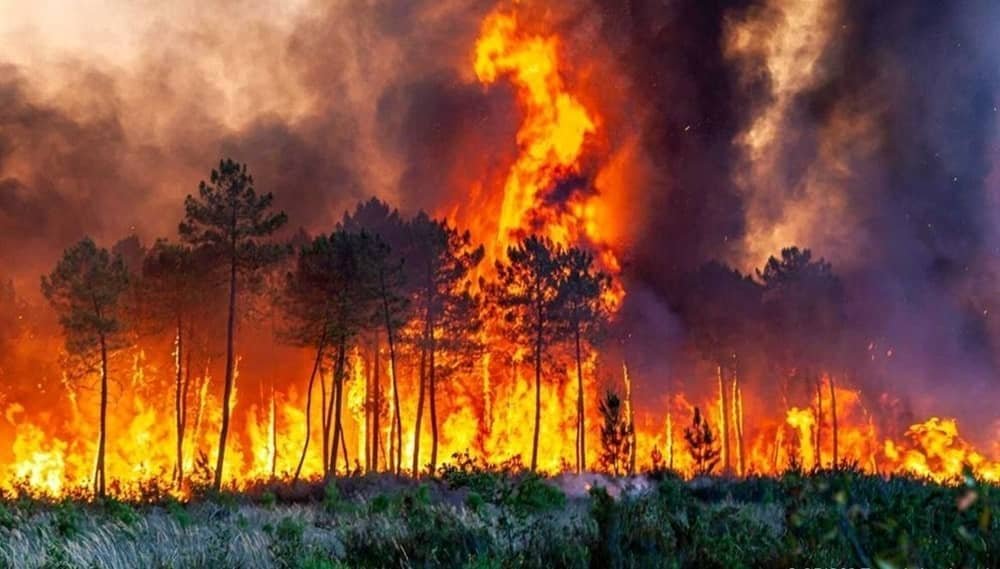
The Hirkanian wildfire disaster now threatens some of Iran’s oldest forests as flames continue to spread across the northern region. Massive fires have burned for weeks, while experts warn that government inaction and chronic mismanagement intensify the crisis. They say decades of policy failures, weak oversight, and limited equipment turned a controllable fire into an environmental catastrophe.
Media Acknowledge Decades of Neglect
Even pro-government newspapers admit years of negligence. The daily Arman wrote that long-term mismanagement created national crises, from drying Lake Urmia to the collapse of major wetlands. According to the report, the Hirkanian wildfire disaster is the newest example of this destructive cycle.
The fire first erupted in Elit near Chalous and then spread toward the forests of Nur. As flames advanced, destruction increased across vast forested zones.
Officials Confirm Human-Caused Ignition
Government officials acknowledged human involvement. Aflaatouni, head of Iran’s Forests Organization, said the Elit fire “likely” started through human activity. He also confirmed an investigation into possible land grabbing. His comments fueled public anger and strengthened suspicions about illegal profit-seeking in protected forest areas.
Controversial Remarks Ignite Public Outrage
Tensions escalated when Qaempanah, a vice president, described the burned forests as “rangeland.” He attempted to minimize the scale of the disaster, but his remarks triggered intense backlash. State TV later corrected him and stated that the fires destroyed forests more than 40 million years old—ecosystems far older and richer than typical rangelands.
Expanding Fires Across Mazandaran
Local officials in Mazandaran reported active fires in Kormazud, Savadkuh. They confirmed that eight hectares of registered forest have already burned. The newspaper Bahar said slow initial response in early Aban allowed flames to spread widely. Environmental authorities also admitted that early containment might have prevented the fire from reaching deep valleys.
Environmental Activists Warn About Severe Equipment Shortages
Environmental activist Mahtab Shahi called for accountability. She argued that the country must not blame nature for everything. She noted that Iran owns fewer than five specialized firefighting helicopters, an extremely low number for a country with vast forest ecosystems. She added that other nations map high-risk zones in advance, while Iran often reacts only after fires spread across several fronts.
Years of shrinking budgets left rangers with outdated tools and minimal support. This structural weakness allows even small fires to escalate into national-level emergencies.
Destruction Grows While Assessments Stall
Authorities have not released any official estimate of environmental or financial damage. They postponed assessments until full containment, a delay that suggests greater destruction than early reports indicate. Without major reforms, these fires will continue to expose the government’s inability to protect Iran’s most valuable natural heritage.
“Stay connected to every major update — subscribe and follow us on the PhoenixQ website and across our social media platforms.”