English





































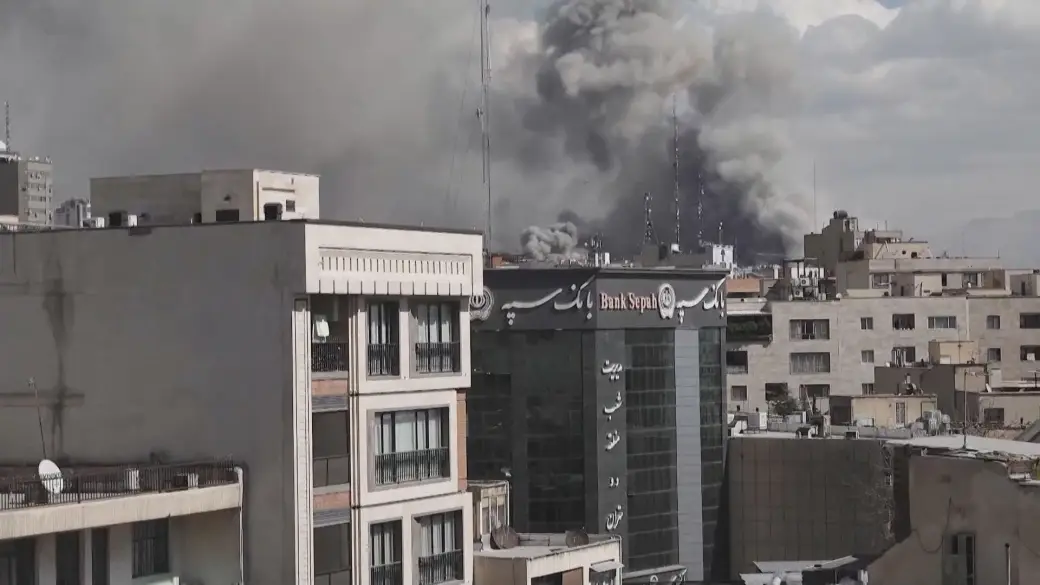
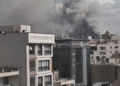
The Gulf Conflict Escalation Risk increased sharply this week following a series of Iranian retaliatory strikes. Iran launched waves of missiles and drones at its neighbors, including Saudi Arabia, the UAE, and Qatar. These attacks followed weekend strikes by the U.S. and Israel on Tehran. While air defenses intercepted most projectiles, officials confirmed at least five deaths. Kuwait reported that two navy soldiers died while carrying out their duties. Additionally, Hezbollah targeted Israel, prompting Israeli strikes on Lebanon that killed over two dozen people.
Chaos and Friendly Fire Incidents
Military operations on Monday became increasingly chaotic across the region. The U.S. military confirmed that Kuwaiti forces mistakenly shot down three American fighter jets. This incident occurred while Kuwait defended itself against Iranian ballistic missiles and drones. U.S. Central Command stated that all six pilots ejected safely and remain in stable condition. Experts suggest Iran wants to suck the rest of the Gulf into a protracted conflict. By damaging U.S. allies, Iran aims to increase the total cost of the war. “Follow PhoenixQ to keep up with every important update.”
Threat to Global Energy and Infrastructure
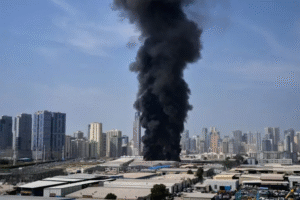
The Gulf Conflict Escalation Risk now directly threatens global infrastructure and energy markets. Iranian drones recently targeted Saudi Arabia’s Ras Tanura oil refinery, though defenses downed the aircraft. Debris from intercepted missiles also hit an Abu Dhabi complex housing the Israeli embassy. The UAE intercepted 174 ballistic missiles and 689 drones so far. These attacks, combined with shipping threats in the Strait of Hormuz, are driving up global oil prices. Gulf nations now reaffirm their right to self-defense against this blatant aggression.
Decentralized Command and Regional Future
The killing of Supreme Leader Ayatollah Ali Khamenei has decentralized Iran’s military command. Many local commanders now take initiatives without a grand political strategy. Foreign Minister Abbas Araghchi admitted that some “isolated units” act on general advance instructions. Consequently, the war’s outcome will determine future relations between Arab states and the West. If the Iranian regime falls, many Gulf states will likely feel relieved. However, a surviving regime could permanently strain regional ties with Israel and the U.S.