English








































Cuba Private Sector Fuel Imports Mark Strategic Shift
Cuba private sector fuel shipments are surging as the Trump administration executes a precise diplomatic strategy. Recent shipping data reveals that U.S. suppliers delivered approximately 30,000 barrels of fuel this year. This volume represents a small fraction of the island’s total energy needs. However, the move signals a major shift in Washington’s approach to the Communist-run nation. While the U.S. maintains a strict oil blockade against the Cuban government, it now carves out a vital exception. This policy aims to place independent entrepreneurs in a privileged position over state-run enterprises. Secretary of State Marco Rubio emphasized that the plan strictly supports Cubans not affiliated with the military.
Container Ships Bypass the State Oil Blockade
The U.S. successfully blocked Venezuelan oil supplies following the capture of Nicolas Maduro in January. Consequently, Cuban President Miguel Diaz-Canel recently claimed the state had not received fuel in three months. Despite this government-level “starvation” of resources, private commerce is finding a way to survive. So far in 2026, 61 container ships have discharged various products for private companies at Cuban ports. Most of these vessels arrive at the port of Mariel, west of Havana. While many ships carry mixed cargo, energy shipments from the U.S. Gulf Coast are rising. This targeted flow of Cuba private sector fuel allows small businesses to keep their doors open.
“Stay connected with PhoenixQ and never miss a key moment.”
Empowering Independent Businesses and Wholesalers
The trickle of imported fuel has rescued several firms from total paralysis. This list includes private breadmakers, urban wholesalers, and large online grocers like Supermarket23. Previously, the grocery giant had suspended orders due to the crushing energy crunch. Now, new fuel imports have allowed the company to resume its delivery services. The U.S. Bureau of Industry and Security authorized these specific exports to eligible private entities in February. Furthermore, the Cuban government currently permits micro and small companies to import fuel to ease the crisis. This rare alignment of interests helps maintain basic logistics for the civilian population.
Strict Controls and ISO Tank Logistics
Imported fuel primarily arrives in specialized ISO tanks designed for safe maritime transport. Each tank holds about 21,600 liters of diesel or gasoline. To date, approximately 200 of these tanks have reached Cuban shores. Private companies must implement tight controls to ensure they do not violate U.S. program intent. For instance, commercial resale remains strictly prohibited under the current licensing agreements. The fuel must only power the importing party’s own operations and equipment. Moreover, Secretary Rubio warned that any diversion to the military would result in immediate license cancellation.
Diesel Dominates Private Energy Imports
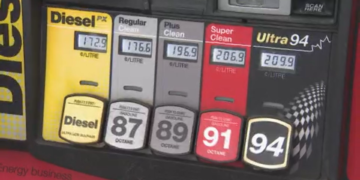
Interestingly, diesel makes up the vast majority of these private energy imports. Gasoline accounts for only one percent of the tanks due to its highly flammable nature. Diesel is generally easier to store and transport across Cuba’s aging infrastructure. Some businesses now store large white ISO tanks directly onsite at their facilities. Others have rented idle infrastructure to manage larger quantities while strictly limiting distribution. These logistical workarounds prove that the private sector can manage complex energy needs independently. As the year progresses, these volumes continue to grow week by week. Washington hopes this strategy will eventually force a broader political transition on the island.