English







































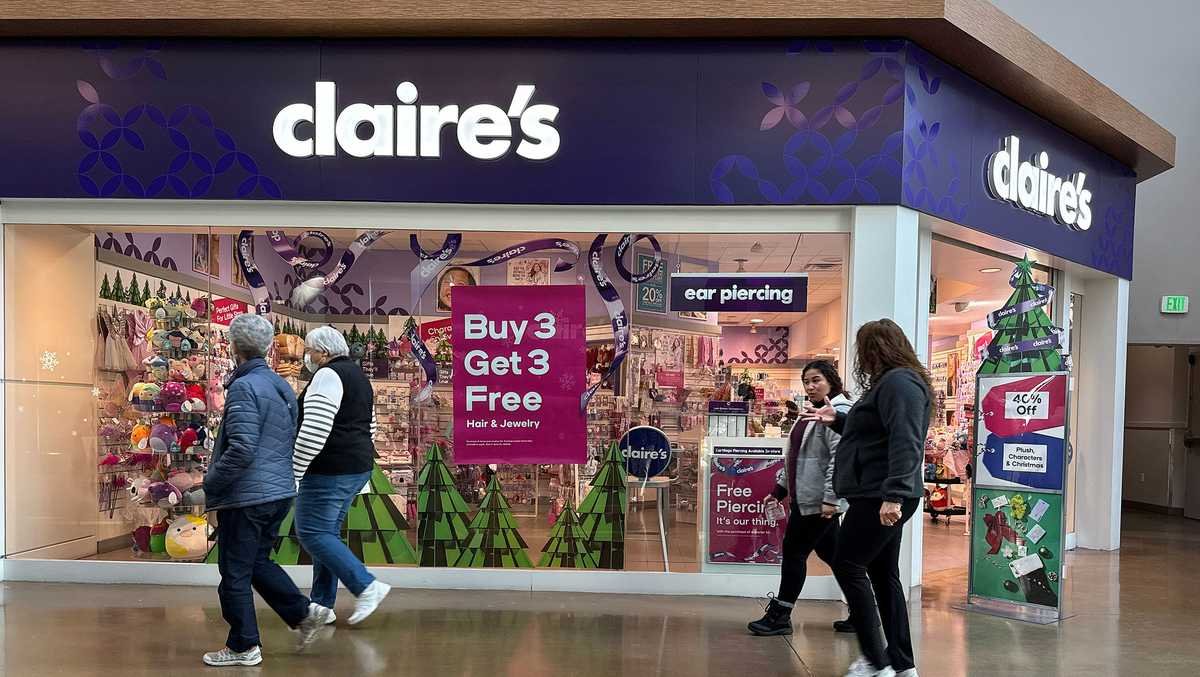
Claire’s bankruptcy filing marks a critical moment for the popular teen-focused retailer. The company announced this week that it has filed for bankruptcy protection in the U.S., with plans to make a similar filing in Canada under the Companies’ Creditors Arrangement Act.
Despite the filing, Claire’s stores across North America will remain open. The company says the move aims to restructure operations, monetize key assets, and explore long-term strategic alternatives.
CEO Chris Cramer described the decision as “difficult but necessary.” He cited mounting competition, shifting consumer habits, and the decline of traditional malls as driving forces behind Claire’s bankruptcy.
Founded in 1974, Claire’s has operated more than 2,750 stores in 17 countries. Its products — including jewelry, cosmetics, and accessories — have long targeted girls and teens aged 3 to 18.
However, like many brick-and-mortar retailers, Claire’s has struggled in the digital age. E-commerce brands have chipped away at its customer base, while inflation and tighter budgets have impacted discretionary spending. Claire’s bankruptcy reflects these industry-wide pressures.
The company emphasized that it will continue serving customers during the restructuring process. It also plans to maintain strong relationships with vendors, employees, and landlords.
Claire’s bankruptcy also echoes similar filings from other mall-based brands in recent years, such as Forever 21 and Payless. This trend reflects a broader decline in physical retail, prompting companies to reimagine store experiences or pivot online.
Retail analysts say Claire’s bankruptcy could open the door for mergers, acquisitions, or a leaner, digital-first business model. While the future of its storefronts remains uncertain, the brand’s loyal audience still presents value in a restructured form.