English







































“Editor-in-Chief: SHAPOUR-T”
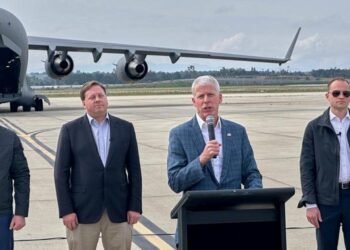
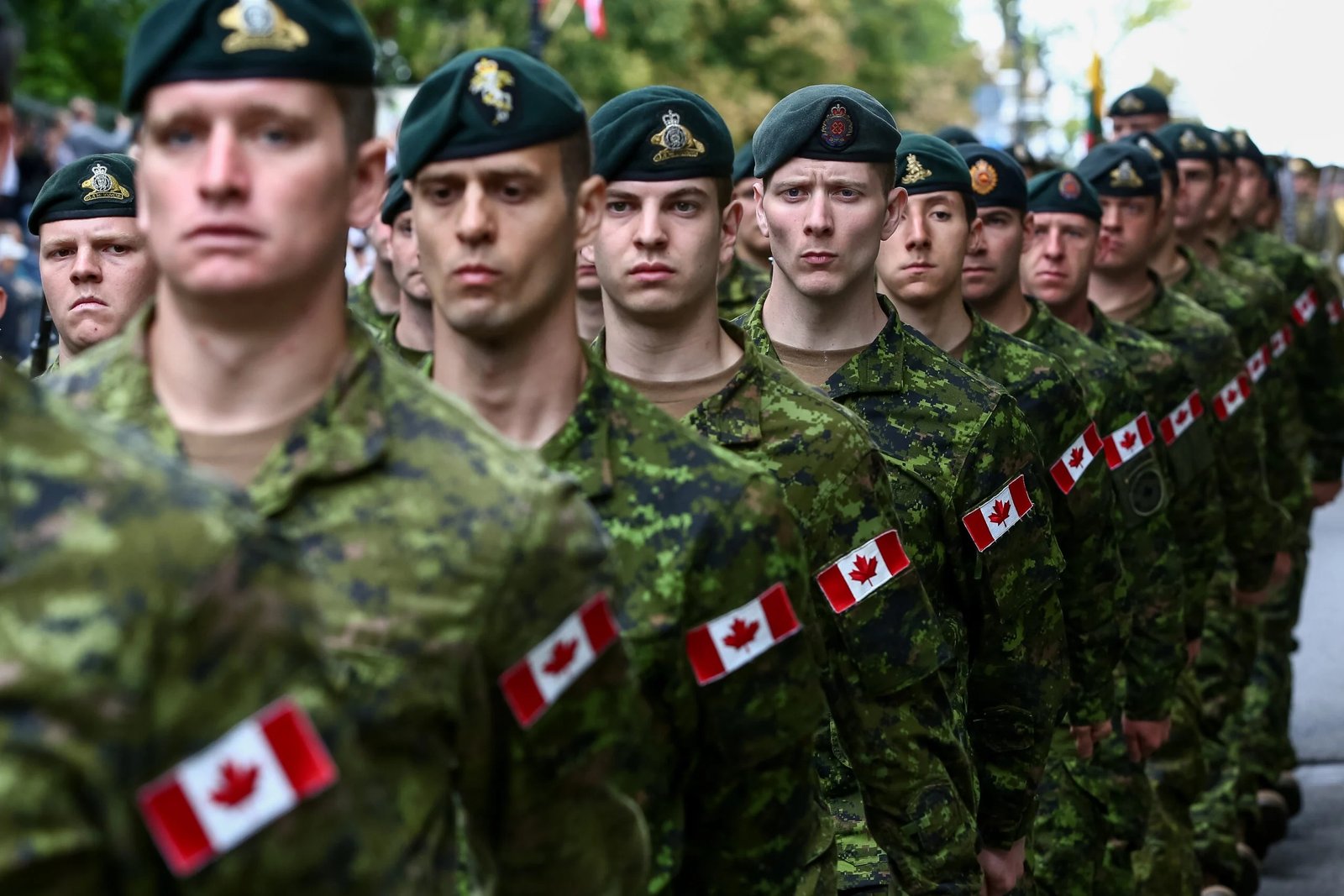
The Canada-US military cooperation 2025 marks a turning point in global security. As traditional wars fade, new threats like cyberattacks, drone warfare, and Arctic military rivalry emerge. Consequently, Canada and the United States are deepening their defense ties more than ever before.
Historic Boost in Canada’s Defense Budget
Firstly, Canada committed to increasing its defense spending from 1.3% to 2% of GDP by 2030. In 2025, the budget reached CAD 49.1 billion—a 25% rise from 2022. This increase funds key projects such as F-35 fighter jets, submarine upgrades, and cyber defense infrastructure.
While some interpret this as U.S. pressure, it mainly responds to escalating threats from Russia and China in the Arctic and Hudson Bay. Therefore, Canada can no longer remain a passive regional player.
NORAD Renewal: Modernizing Continental Defense
Moreover, the North American Aerospace Defense Command (NORAD), protecting the continent since the 1950s, is undergoing a $39 billion upgrade. This project responds to rising hypersonic missile and drone threats.
Specifically, new over-the-horizon radars and anti-drone systems focus on the Arctic, which analysts now call the “third front” of the Cold War.
Joint Military Exercises with NATO and the U.S.
In addition, Canada took part in major exercises like Steadfast Defender in Europe and Vigilant Shield in North America. These drills simulate Russian attacks and cyber warfare, thereby enhancing interoperability with U.S. forces.
Acquisition of Advanced U.S. Weapon Systems
Furthermore, Canada is acquiring U.S.-made weapons, including 88 F-35 jets, NASAMS air defense systems, and MQ-9 Reaper drones for northern and NATO missions. Critics warn of growing dependence on the U.S., but supporters stress the need for integration against shared threats.
Shared Security Threats: China, Russia, and Cyberwarfare
Both countries highlight three critical risks: China’s expanding Pacific naval presence, Russia’s Arctic military buildup, and increasing cyberattacks on government networks. Thus, they have established joint intelligence and cyber response centers to counter these challenges.
Conclusion: Strategic Alliance or Military Shift?
In conclusion, Canada’s defense posture is shifting from traditional peacekeeping toward active strategic defense. The Canada-US military cooperation 2025 reflects this transformation amid complex global threats. However, the key question remains: Will this enhance Canada’s strategic independence or increase reliance on the U.S.?