English





































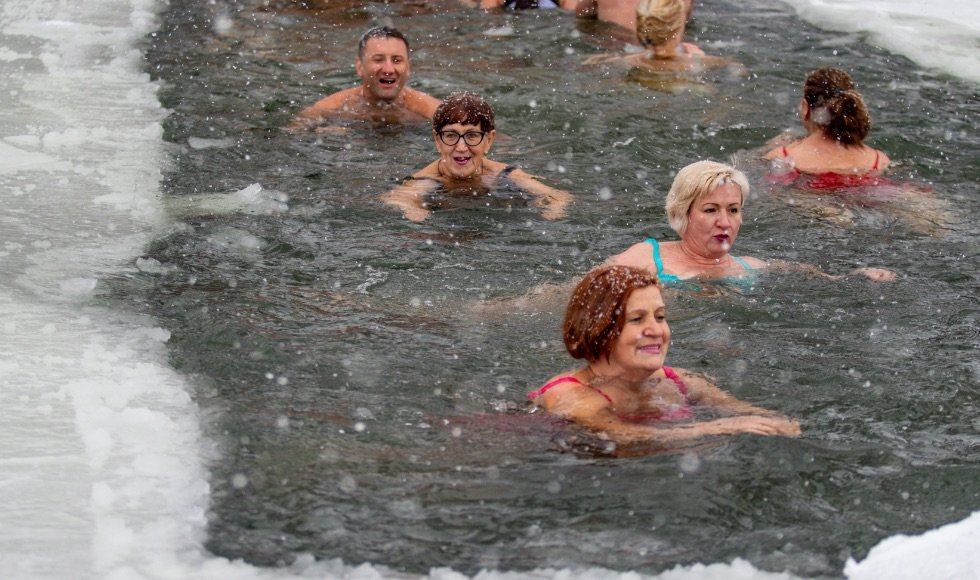
Canada New Year plunges drew massive crowds to frozen lakes this Thursday. Near Dartmouth, Nova Scotia, close to 500 swimmers gathered at Lake Banook. A dusting of snow covered the ice. A stiff winter breeze blew across the shoreline. Despite the chill, the atmosphere remained electric. Participants celebrated the start of 2026 with a frigid dip. Many enthusiasts described the freezing-cold splash as an emotional experience. They sought a refreshing way to wrap up 2025.
Brave Swimmers Face the Dartmouth Chill
Samuel Dueck emerged from the water feeling great. He loved seeing his friends take on the difficult challenge. Stephen Munro also enjoyed the experience. He claimed the water was not that cold compared to previous years. However, others found the experience completely intolerable. Jake Lillington left the lake after only five seconds. He only dipped his feet before packing his belongings. One man shouted “no” when asked about returning next year. He stood up to his neck in the frigid water at the time. “Stay with PhoenixQ so you never miss a major development.”
Massive Turnout in Toronto and Beyond
In Toronto, the turnout for the annual event was massive. Hundreds of people braved the brutally cold waters of Lake Ontario. One first-time swimmer described the water as incredibly icy. Another participant celebrated her fourth successful dive. She told reporters she would definitely return next year. These events took place in many locations across the country. Canadians everywhere showed their courage in the face of winter weather. This tradition remains a staple of the holiday season.
Debating the Science of Cold Plunges
Organizers and doctors debated the health impacts of these icy events. Organizer Koko McNeill pointed to various mental and physical benefits. She believes cold plunges support athletic recovery. They also help some people reduce anxiety and depression. McNeill feels alive and amazing after every dip. On the other hand, medical experts offered stern warnings. Cardiologist Dr. Christopher Labos highlighted the potential dangers.
Cold shock can lead to an elevated heart rate. It also causes dangerous spikes in blood pressure. People with pre-existing conditions face significant heart attack risks. Dr. Labos suggests avoiding a first-time dip on New Year’s Day. He thinks the practice is potentially very dangerous for the untrained. Despite these warnings, the Canada New Year plunges remain popular. Many citizens view the jolt as a perfect start to a new chapter. They prefer the water over sitting on the couch at home.