English
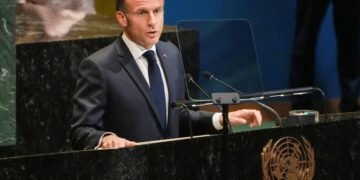


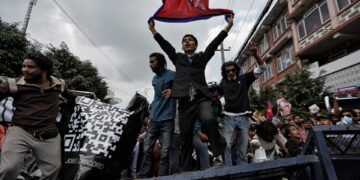
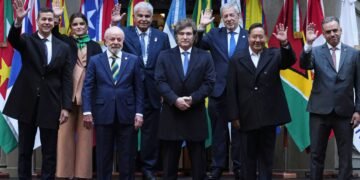




































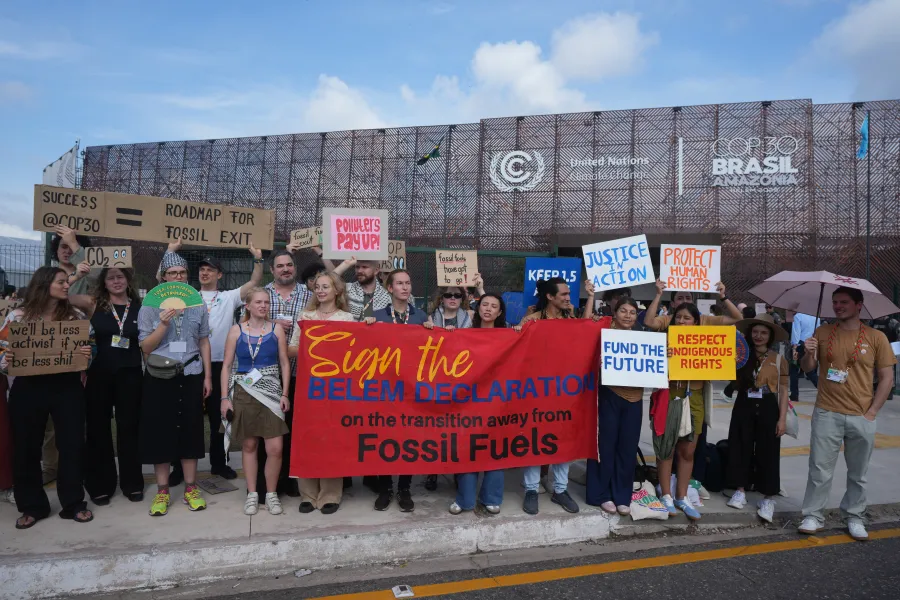
Brazil Climate Talks Deal finally emerged on Saturday. The United Nations climate talks in Brazil reached a subdued agreement. The deal focuses on delivering more funds to vulnerable nations. This money will help them adapt to extreme weather. However, the agreement disappoints many critics. It does not include an explicit map to phase out fossil fuels. Furthermore, it avoids strengthening existing weak emissions cutting plans.
Missing Fossil Fuel Mandate
The Brazilian hosts of the conference made a promise. They said they would eventually develop a fossil fuel roadmap. They plan to work with hardline Colombia on this issue. However, this future roadmap will lack the force of a full COP30 approval. Negotiators approved the current deal Saturday morning. They had already blown past the official deadline. The agreement resulted from over twelve hours of late-night meetings. These crucial talks occurred in the office of COP30 President Andre Correa do Lago.
Continued Disagreements and Critics’ Complaints
Do Lago commented on the tough discussions in Belem. He said Brazil will lead these discussions until the next annual conference. He emphasized that the talks will continue. This is true even if the approved text does not reflect them. Do Lago stated his team will issue a separate proposal later. This proposal will contain the fossil fuel transition plan. Critics immediately complained about the resulting agreement. They argued that the deal fell short of global needs.
“It’s a weak outcome,” declared Jasper Inventor. Inventor is the former Philippine negotiator. He now works for Greenpeace International. Many labeled the deal weak and inadequate. Panama negotiator Juan Carlos Monterrey Gomez strongly attacked the agreement.
Science Deleted Complicity Alleged
Monterrey Gomez expressed his outrage powerfully. He argued the decision demonstrates complicity, not neutrality. In his view, a climate decision must include the words “fossil fuels.” He insisted that the omission transcends mere incompetence. The negotiator then raised a more serious accusation: science was effectively deleted from the Brazil Climate Talks Deal. This occurred because the science, in his words, “offends the polluters.” The final agreement, therefore, lacks essential binding commitments.
This failure means polluters face little new pressure. The global effort to limit warming suffers a significant blow. The conference focused primarily on adaptation funding. While important, this avoids the core issue of emissions. The lack of a strong fossil fuel commitment undermines the entire climate process. The tough discussions will resume, but without an immediate mandate. The final document fails to reflect the urgency demanded by climate science. The Brazil Climate Talks Deal disappointed many delegates. This leaves the world searching for stronger action next year.
Stay informed with the latest news, analyses, and reports on PhoenixQ .