English























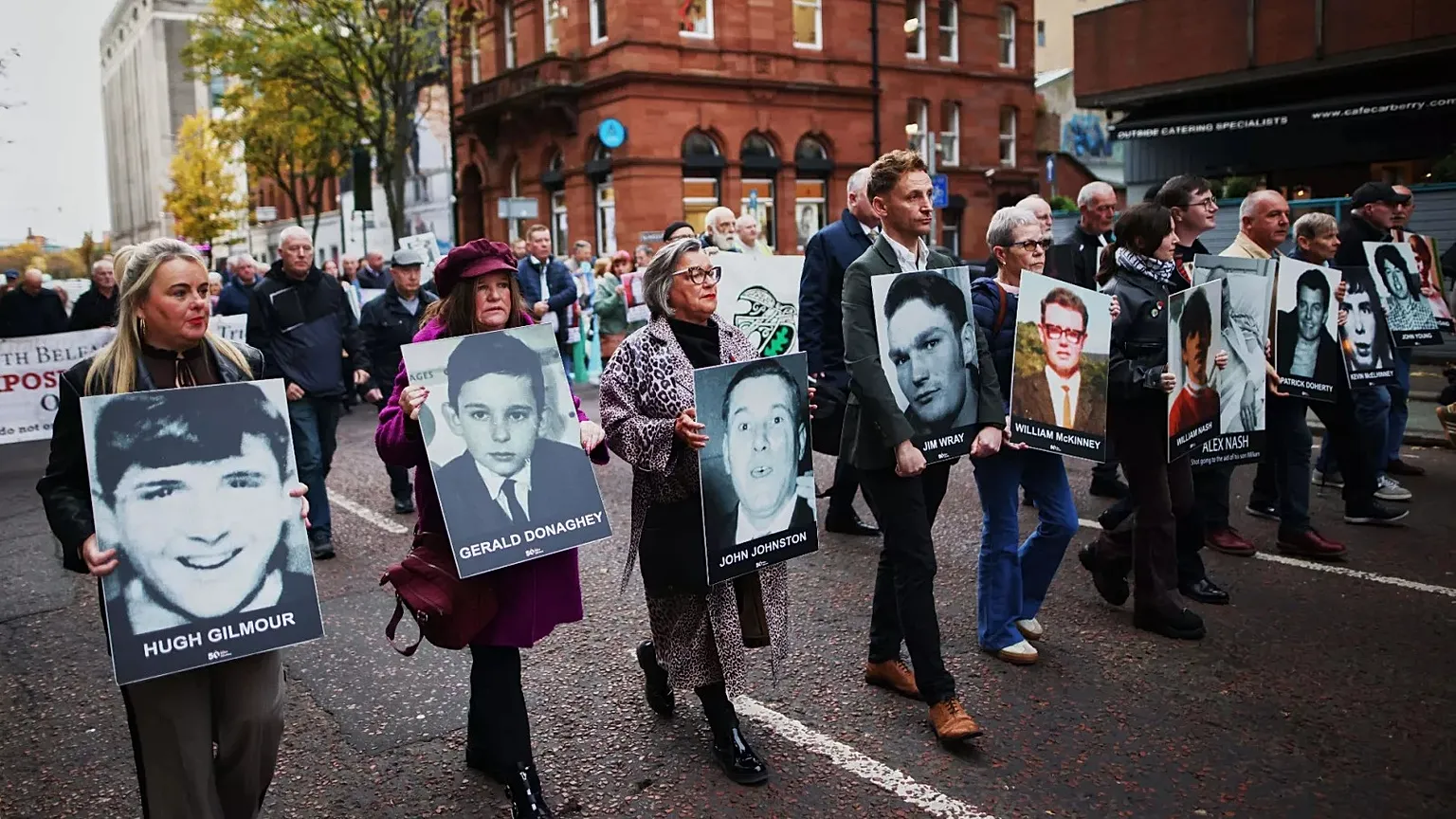
LONDON — The Bloody Sunday murder trial ended Thursday with a Belfast judge clearing a former British paratrooper, known as “Soldier F,” of all charges related to the 1972 massacre that left 13 unarmed civilians dead in Derry.
Judge Patrick Lynch ruled that prosecutors failed to prove Soldier F intentionally fired at fleeing civilians during the civil rights march. The ruling concluded the only criminal case ever brought against a soldier involved in one of Northern Ireland’s darkest days.
Judge clears Soldier F amid evidence gaps
The judge said the prosecution’s evidence fell far short of the standard required for conviction. The trial, held without a jury, lasted five weeks and relied mainly on statements from two deceased or unavailable witnesses, identified as Soldiers G and H.
“These statements, the sole and decisive evidence, cannot be properly tested,” Judge Lynch explained. “Delay has severely hindered the defense’s ability to challenge their accuracy.”
Despite clearing Soldier F, the judge condemned the actions of the British troops that day. “They lost all military discipline,” he said. “Those responsible for shooting civilians in the back should hang their heads in shame.”
Decades of grief and frustration for families
Families of the victims called the verdict a devastating setback.
Mickey McKinney, whose brother William was killed, blamed the British state and army for decades of obstruction. “They shielded and enabled their soldiers to kill with impunity,” he said outside court.
The Bloody Sunday murder trial has revived painful memories from the period known as The Troubles, when sectarian violence between Catholics seeking Irish unity and Protestants loyal to Britain tore Northern Ireland apart.
Veterans welcome verdict as closure
Supporters of army veterans hailed the verdict as long-overdue relief. Defense lawyer Mark Mulholland said the prosecution’s case was “fundamentally flawed,” relying on unreliable witnesses and fading memories.
Northern Ireland veterans commissioner David Johnstone welcomed the outcome, saying, “Soldier F has faced legal scrutiny for over 25 years. Today’s ruling should bring this long process to a close.”
A long road to justice
The case against Soldier F stemmed from the 2010 Saville Inquiry, which overturned earlier findings that justified the soldiers’ actions. Then–Prime Minister David Cameron later apologized, calling the killings “unjustified and unjustifiable.”
That report paved the way for Soldier F’s eventual prosecution, though delays and legal hurdles kept the case in limbo for over a decade.
Despite the verdict, the tragedy of Bloody Sunday remains a symbol of mistrust and division — and a reminder of the challenges of reconciling justice and peace in Northern Ireland.