English




































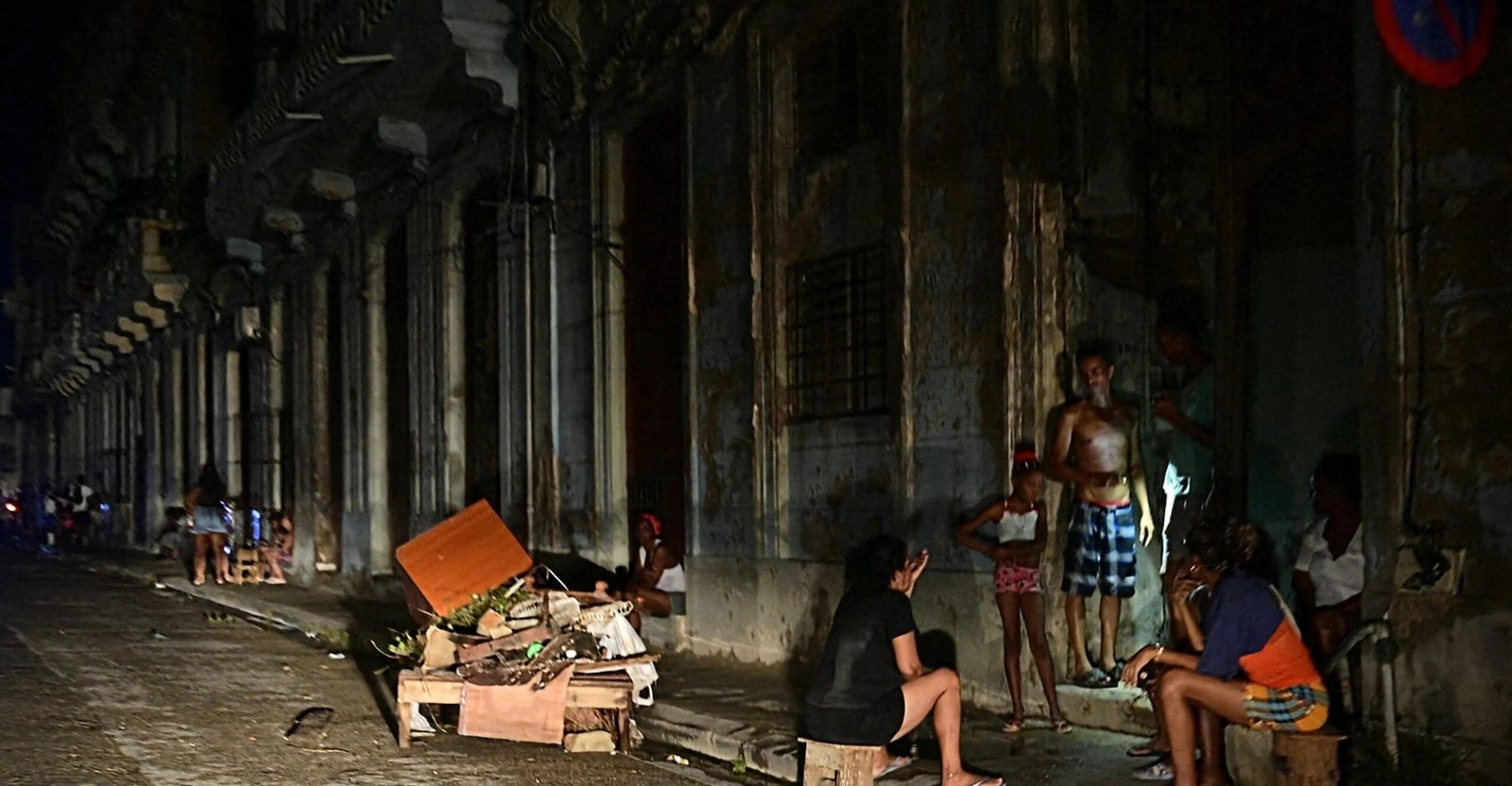
The Cuba Power Outage Crisis intensified on Wednesday after a major transmission line failed and plunged Havana and the entire western region into darkness. Millions of residents lost electricity as the island continued to struggle with widespread grid failures and chronic fuel shortages.
Government reports cause of failure
Lázaro Guerra, general director at the Ministry of Energy and Mines, said a fault on a key transmission line linking two major plants triggered the blackout. He noted that crews began repair work quickly and planned to restore power gradually throughout the night. However, frustration grew as residents faced yet another disruption during peak demand hours.
Ongoing strain on Cuba’s fragile grid
For two consecutive days, peak-hour shortages strained the country’s aging electric system. The Cuba Power Outage Crisis deepened in September when a nationwide blackout hit the island. Officials blamed deteriorating infrastructure, outdated machinery and persistent fuel shortages at power plants. These failures continue to ripple through daily life, disrupting water service and damaging the already fragile private business sector. “Follow PhoenixQ to keep up with every important update.”
Economic crisis fuels the instability
Cuba’s broader economic emergency amplifies the problem. The pandemic devastated tourism, the island’s most important source of income. Meanwhile, increased U.S. sanctions and a flawed currency unification reform worsened inflation, reduced purchasing power and restricted imports needed for grid maintenance. As shortages rise, power instability becomes more frequent and harder to manage.
Eastern Cuba also battles outages after hurricane damage
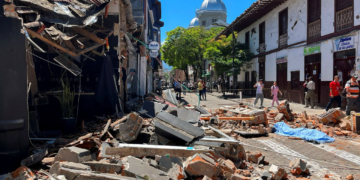
The eastern provinces continue to face major power problems following Hurricane Melissa, which struck the region in late October. The storm damaged towers, lines and stations, adding new pressure on an already exhausted energy sector.
A nation waiting for stability
Despite repair efforts, many Cubans worry about the long-term outlook. Residents fear that recurring failures, economic instability and fuel scarcity will keep the country trapped in a cycle of rolling blackouts. As technicians race to stabilize the system, the government faces growing public anger and renewed pressure to modernize the grid before the crisis worsens.