English












































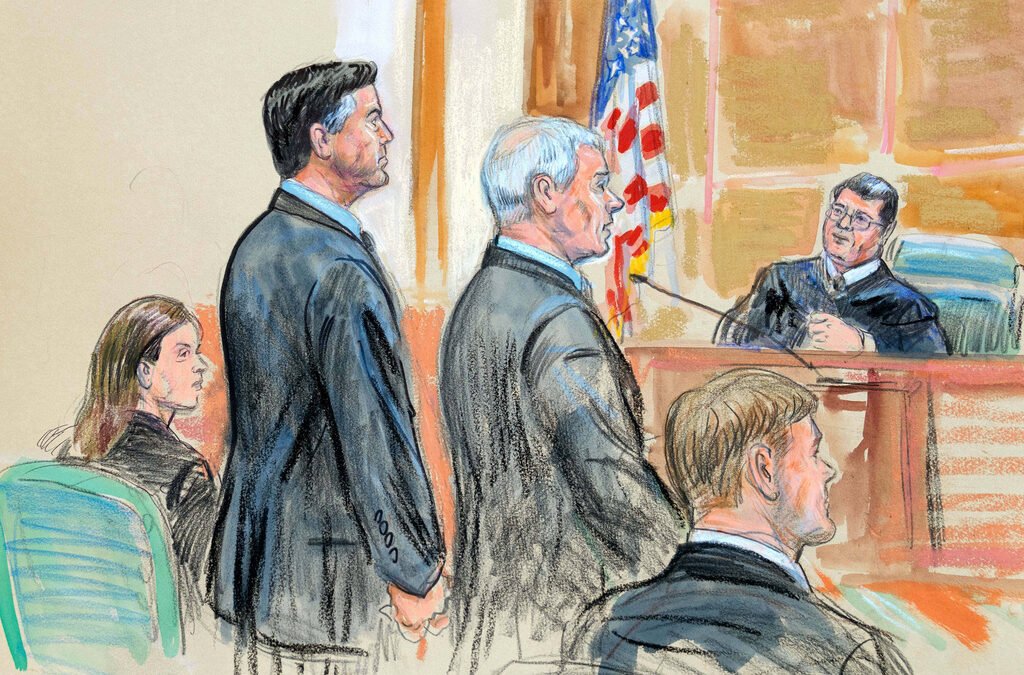
A federal judge in Alexandria, Virginia, ordered prosecutors in the James Comey criminal case to release investigation records. Magistrate Judge William Fitzpatrick expressed concern that the Justice Department followed a policy of “indict first and investigate later.”
Magistrate Judge Fitzpatrick ordered prosecutors to produce grand jury materials and other seized evidence by Thursday evening. Meanwhile, Comey’s attorneys argued they faced a disadvantage because they had not reviewed records collected years ago.
Background of the case
Former FBI Director James Comey faces charges of lying to Congress in 2020. However, his lawyers claim the prosecution is politically motivated. They argue that it began days after President Trump urged the attorney general to act against Comey. As a result, Comey has pleaded not guilty.
The indictment stems from alleged statements Comey made regarding authorization of FBI personnel as anonymous sources. Prosecutors focused on communications from Daniel Richman, a Columbia University law professor and longtime friend of Comey. Investigators seized Richman’s devices under search warrants in 2019 and 2020.
Defense arguments
Comey’s lawyers say he only denied authorizing former Deputy Director Andrew McCabe, not other FBI employees. They also claim they could not assess privileged information because they had not reviewed Richman’s seized materials.
“We’re going to fix that, and we’re going to fix that today,” Judge Fitzpatrick said. The order aims to ensure Comey’s legal team receives necessary documents to mount a defense.
Political context
Comey’s indictment followed Trump’s public calls for action against him. The case was handled by Lindsey Halligan, a former Trump lawyer installed as U.S. attorney after the prior prosecutor resigned. The Justice Department defended the president’s social media post, calling it a “legitimate prosecutorial motive.”
Implications for trial
The judge’s ruling could affect the timeline of Comey’s trial, providing the defense full access to evidence. The case highlights ongoing tensions between political influence and prosecutorial discretion in high-profile federal investigations.
For more France news updates, visit PhoenixQ News.