English
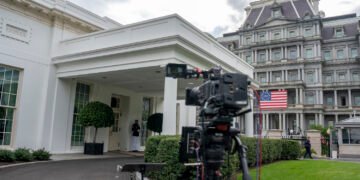




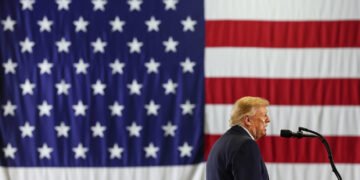

















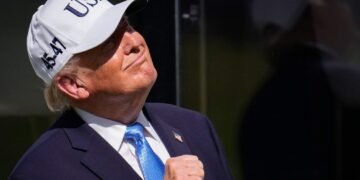

















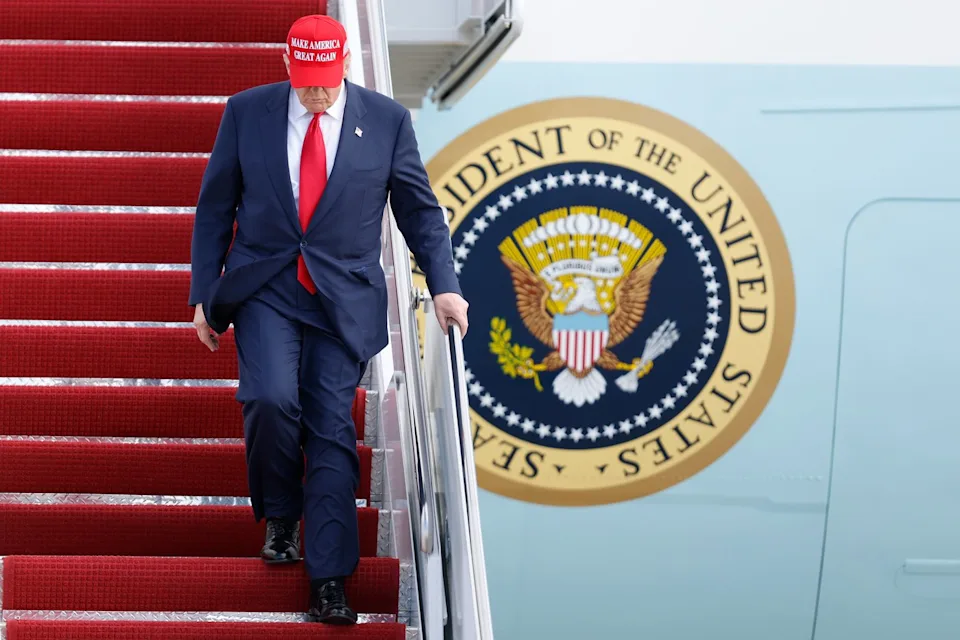
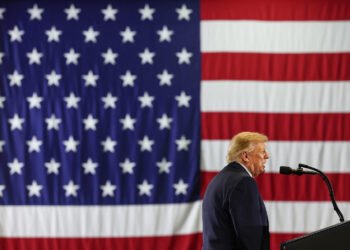
President Donald Trump is reshaping America’s foreign policy under his Peace Through Strength Doctrine, a strategy inspired by Ronald Reagan. He aims to project U.S. power through deterrence while claiming the title of “peacemaker.” Yet, nine months into his second term, Trump’s approach blends tough talk, military moves, and sudden reversals.
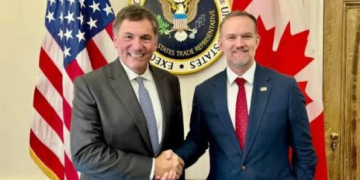
During his recent Asia trip, Trump canceled trade talks with Canada, imposed new tariffs, and redirected the USS Ford toward Venezuela. These actions signal an assertive stance meant to keep adversaries off balance — a defining element of his foreign policy vision.
A Return to Reagan’s Bold Style
Trump borrows Reagan’s mantra of strength but redefines it with modern bravado. Defense Secretary Pete Hegseth said the president’s goal is simple: “Maintain peace through strength.” Trump insists that a strong military ensures global stability, even as critics warn his methods risk escalation.
Before meeting Chinese President Xi Jinping, Trump hinted at resuming U.S. nuclear weapons testing — a move unseen since the early 1990s. Later, he declined to clarify if he meant explosive tests or missile system checks. “You’ll find out very soon,” he told reporters aboard Air Force One.
Critics See Unpredictability, Allies See Leverage
Analysts say Trump’s shifting tactics — from Ukraine to Venezuela — keep both allies and rivals guessing. Former U.S. ambassador Ian Kelly described the administration as “a top-down operation” lacking consultation with Congress or partners.
Supporters, however, claim that unpredictability strengthens America’s hand. They argue that Trump’s abrupt changes prevent adversaries from predicting his next move.
Military Actions With Political Calculations
Trump touts the June airstrikes on Iranian nuclear facilities as a success, claiming they “obliterated” the program. Yet, the U.N. nuclear watchdog recently reported renewed activity at those sites. Meanwhile, U.S. operations in the Caribbean target Venezuelan drug networks and increase pressure on President Nicolás Maduro’s regime.
Analyst Justin Logan from the Cato Institute warned that Trump must avoid another “endless war” like Iraq or Afghanistan. For now, the administration relies on short, sharp actions to demonstrate dominance without deep military engagement.
Balancing Strength and Stability
Trump’s Peace Through Strength Doctrine continues to define his presidency. Supporters hail it as a restoration of U.S. authority, while critics see chaos disguised as strategy. As global tensions mount, the true test of Trump’s “peace” will depend on whether strength alone can sustain it.
For more insights on U.S. foreign strategy and global power shifts, visit PhoenixQ Politics.