English
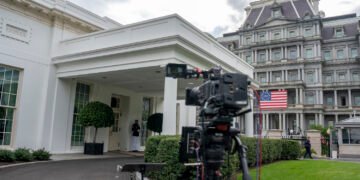

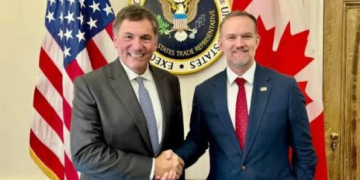



















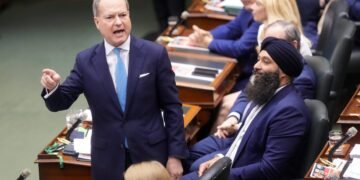




















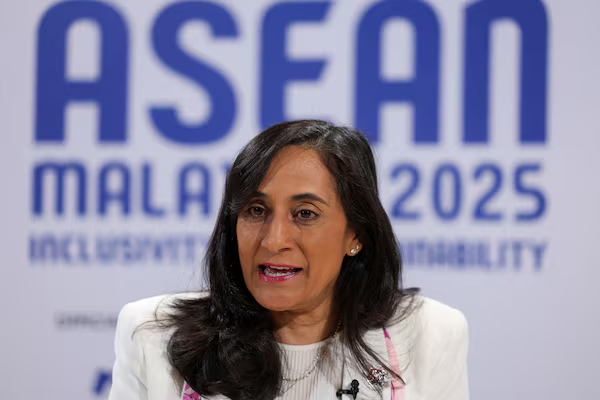
As Prime Minister Mark Carney begins his first Asia trip, Anand has ordered a full policy update.
Speaking at the Canada 2020 think tank, Anand said the old plan failed to reflect new trade dynamics and changing ties with China and India.
Carney Government Resets Relations
The Trudeau-era Indo-Pacific document described China as a “disruptive global power” and positioned Ottawa at odds with Beijing. However, Anand said that under Carney’s leadership, Canada now views China as a strategic partner, marking a sharp diplomatic pivot.
She added that the Carney government brings an “economic pragmatism” absent in recent years. The new approach prioritizes trade, investment, and realistic cooperation over ideological confrontation.
Meanwhile, relations with India have also shifted, as Ottawa seeks deeper engagement on clean energy, digital innovation, and defense partnerships. Anand said Canada’s renewed strategy must reflect “both the opportunities and complexities” of working with India and China in a rapidly changing region.
Expanding Focus Beyond Asia
Anand emphasized that Canada’s next diplomatic target will be the Gulf region, signaling broader diversification. Her comments followed Carney’s announcement that he will visit the United Arab Emirates next month to discuss trade and renewable energy projects.
Analysts say the move suggests a pragmatic reorientation of Canadian foreign policy — one that balances democratic values with market opportunities.
As Carney begins his Asia tour, expectations are high for a clearer, more business-driven approach to the Indo-Pacific. The Canada Indo Pacific strategy update will determine how Ottawa navigates its new role amid growing U.S.-China tensions and shifting global alliances.
For more insights on Canada’s evolving global policy, visit PhoenixQ’s international affairs section.