English









































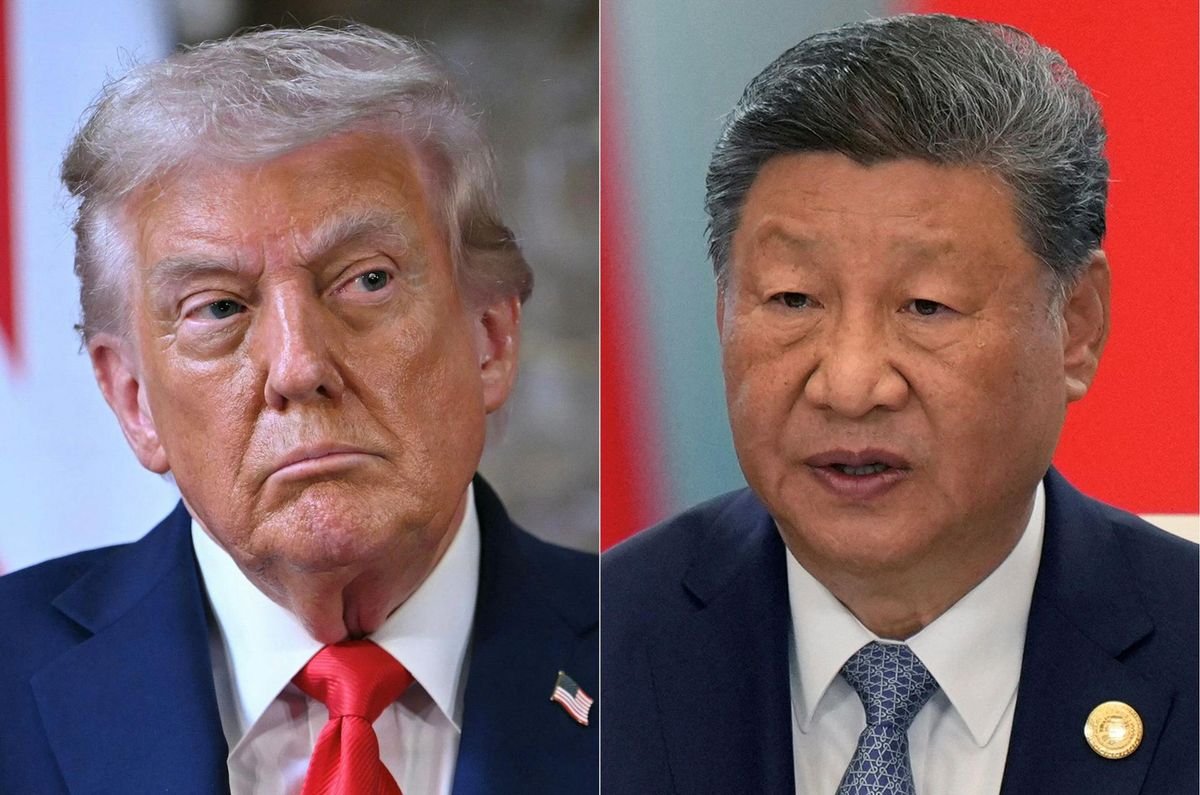
China tariff war response dominated global headlines Sunday as Beijing signaled it would not bow to President Donald Trump’s threat of 100 percent tariffs. The Chinese Commerce Ministry urged Washington to choose negotiation over confrontation, emphasizing dialogue as the only solution to rising economic tensions. “China’s stance is consistent,” the ministry said in a statement. “We do not want a tariff war, but we are not afraid of one.”
This marked Beijing’s first official reaction to Trump’s planned tariff hike on Chinese imports by November 1. The move followed new Chinese restrictions on rare earth exports — materials vital for both civilian and military technologies.
Trump Administration Defends Its Hardline Position
U.S. Vice President JD Vance defended Trump’s decision, calling it essential to protect American jobs and national security. He said China’s dominance in rare earth supply chains represents a “national emergency.” “If China responds aggressively, President Trump has far more leverage,” Vance said on Fox News. “But if they’re reasonable, he’ll negotiate fairly.”
The escalating China tariff war response could derail a planned meeting between Trump and Chinese leader Xi Jinping. It also threatens to end the temporary truce reached earlier this year after tariff levels briefly exceeded 100 percent on both sides.
Trade Tensions and Rare Earths
China accused Washington of repeatedly “resorting to threats,” calling it an ineffective approach. The Commerce Ministry said if the U.S. insists on its actions, “China will take firm countermeasures to defend its legitimate interests.” Trump has already raised tariffs on multiple U.S. trade partners to gain concessions. China remains one of the few nations refusing to back down, relying on its vast economic influence.
Beijing’s recent export regulations require foreign companies to obtain government approval before exporting any products containing Chinese-sourced rare earths, regardless of manufacturing location. These minerals are essential for producing jet engines, radar systems, electric vehicles, and smartphones. China produces nearly 70 percent of the world’s rare earths and processes about 90 percent globally — giving it enormous leverage in trade disputes.
Rising Global Trade Risks
The U.S. accuses China of restricting access to critical minerals and expanding its influence over global supply chains. In return, Beijing criticized Washington for imposing new port fees on Chinese vessels, set to take effect Tuesday.
China has announced identical fees on American ships in retaliation, escalating what could become a new phase in the trade confrontation.
Both sides claim the other violated previous trade agreements, fueling uncertainty in global markets already struggling with supply chain instability.