English







































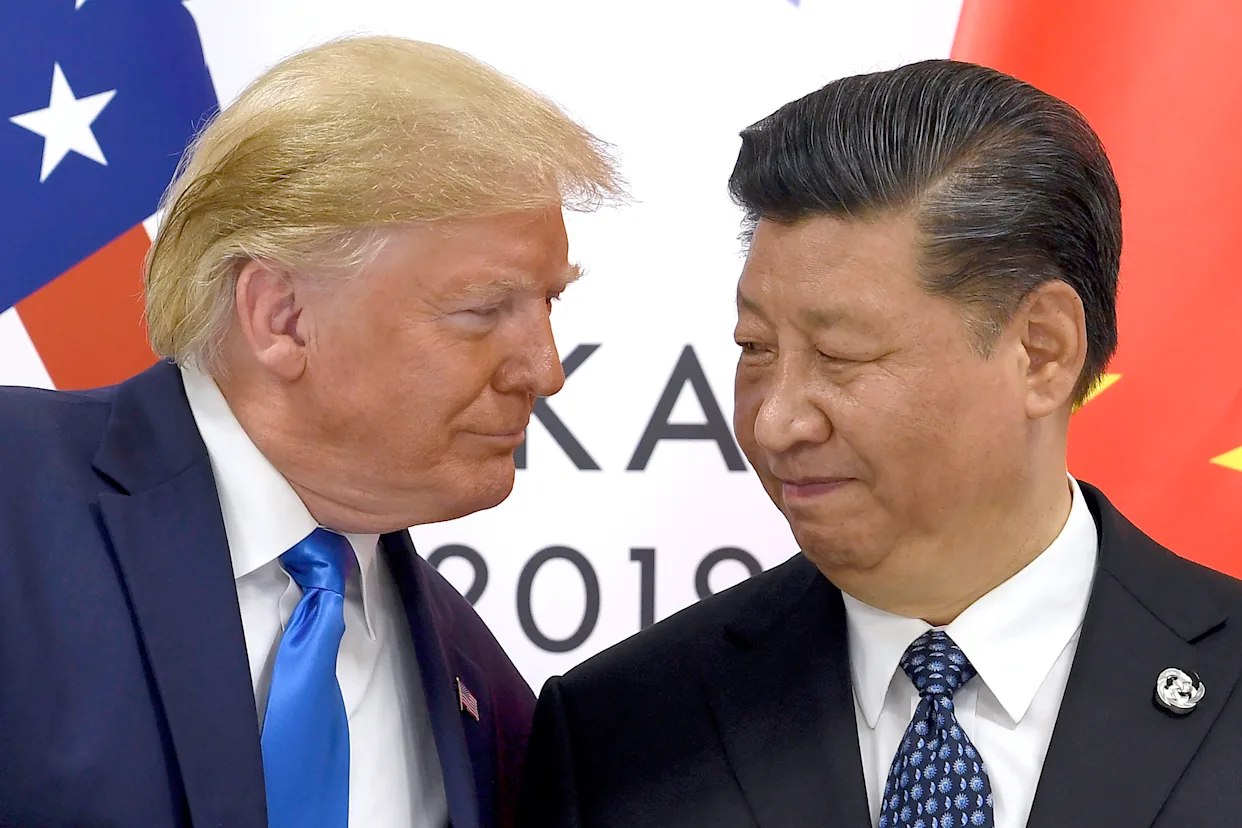
China tariff war warning dominated headlines Sunday after Beijing said it would not back down from President Donald Trump’s new 100 percent tariff threat. The Chinese Commerce Ministry urged Washington to resolve disputes through dialogue rather than threats. “China’s stance is consistent,” the ministry said in a statement. “We do not want a tariff war, but we are not afraid of one.”
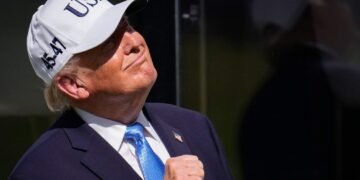
This marks Beijing’s first official response to Trump’s plan to double tariffs on Chinese imports by November 1, following China’s new export limits on rare earths — minerals critical to both military and consumer products.
Trump Administration Defends Tariff Plan
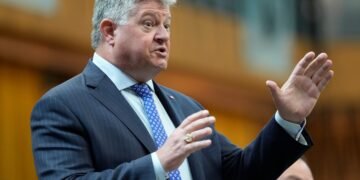
U.S. Vice President JD Vance defended the president’s move, calling it essential to safeguard America’s economic security. Speaking on Fox News, Vance said China’s dominance over critical materials was a “national emergency.” “If they respond aggressively, President Trump holds far more cards than China,” Vance said. “But if they act reasonably, Trump will negotiate reasonably.”
He added that the coming weeks will reveal whether China intends to “start a trade war” or engage in fair negotiations.
Trade Truce on the Brink
The China tariff war warning signals a potential collapse of the fragile trade truce between the world’s two largest economies. Both nations have accused each other of breaking previous agreements by imposing fresh restrictions. China criticized Washington’s “frequent use of tariff threats” as an improper diplomatic tool. “If the U.S. obstinately insists on its practice, China will take corresponding measures to safeguard its legitimate interests,” the Commerce Ministry said.
Trump, meanwhile, threatened to impose export controls on what he called “critical software,” without offering details.
Rare Earths at the Center of Tensions
Rare earth elements are vital in products like jet engines, radar systems, electric vehicles, and smartphones. China’s recent restrictions have alarmed global manufacturers, including those in the U.S. and Europe. Beijing said export licenses will still be granted for “legitimate civilian use” but noted that these minerals also have military applications. The new rules also require foreign firms to seek Chinese approval before exporting goods containing Chinese-sourced rare earths, regardless of where they are made.
Rising Costs and Retaliation
The U.S. has also moved forward with new port fees on Chinese ships, set to take effect Tuesday. In response, China announced matching port charges on American vessels. Both sides continue to escalate economic measures, increasing uncertainty for global trade and fueling fears of another full-scale tariff war.