English














































“compiled:Sophia Bennett”
The China canola tariff announcement has sent shockwaves through Canada’s agriculture sector. Agriculture Minister Heath MacDonald and International Trade Minister Maninder Sidhu are meeting this afternoon with the Canola Council of Canada and the Canadian Canola Growers Association. The discussions aim to address the sudden imposition of a 75.8 per cent tariff on Canadian canola exports.
The new duties, set to take effect tomorrow, threaten to block Canadian canola from its $5-billion Chinese market. Industry leaders warn the measure could devastate farmers and exporters.
Industry calls for swift response
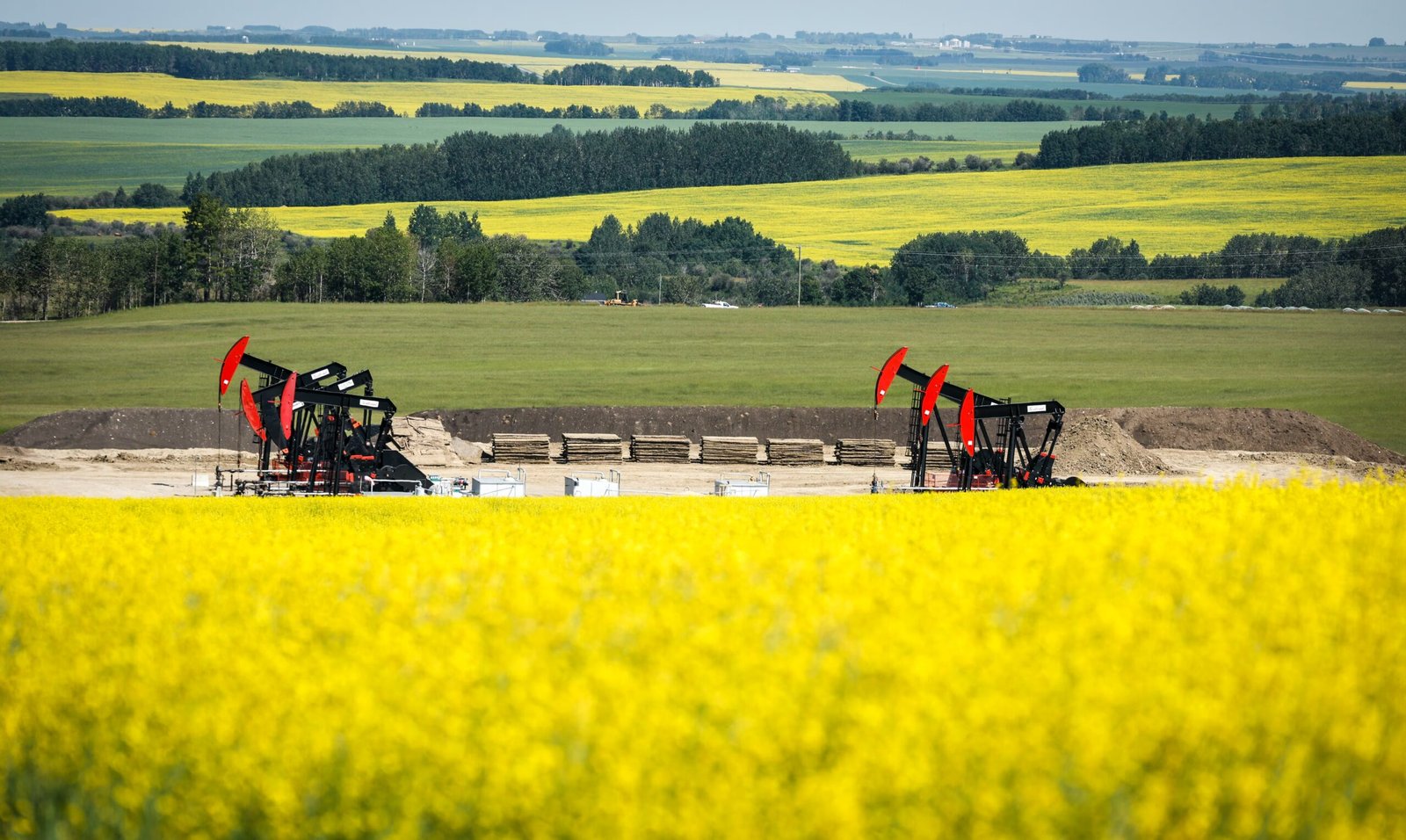
Canola producers in Alberta described the tariff as “devastating” and urged Ottawa to respond immediately. They argue the steep export duty will effectively seal Canada out of China’s massive agricultural market.
The China canola tariff stems from an anti-dumping investigation Beijing launched almost a year ago. Chinese authorities accused Canada of selling canola below market value, harming domestic producers.
Trade tensions driving escalation
The investigation began shortly after Canada imposed a 100 per cent tariff on Chinese electric vehicles. That move aimed to counter Beijing’s subsidies and protect Canada’s auto industry. Now, agricultural exporters are caught in the crossfire of worsening trade relations.
The canola industry believes Ottawa must use both diplomatic and trade negotiation channels to reverse Beijing’s decision. Industry groups also warn that failure to act quickly could lead to long-term market loss.
Farmers brace for impact
Farmers in the Prairie provinces depend heavily on China as a top buyer of canola seed. The tariff could force producers to find alternative markets at lower prices, cutting into farm incomes. Many producers fear the loss of stable Chinese demand will trigger a ripple effect across rural economies.
Next steps uncertain
While today’s meeting signals Ottawa’s willingness to engage, no specific countermeasures have been announced. Producers hope for immediate relief measures, including potential subsidies, expanded export insurance, or accelerated efforts to grow markets in Europe and Asia. The coming weeks will determine whether Canada can salvage its position in one of its most valuable agricultural export markets.