English























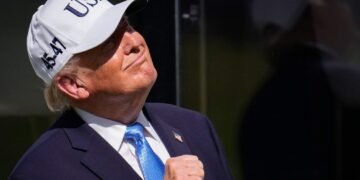
















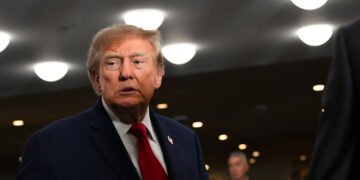


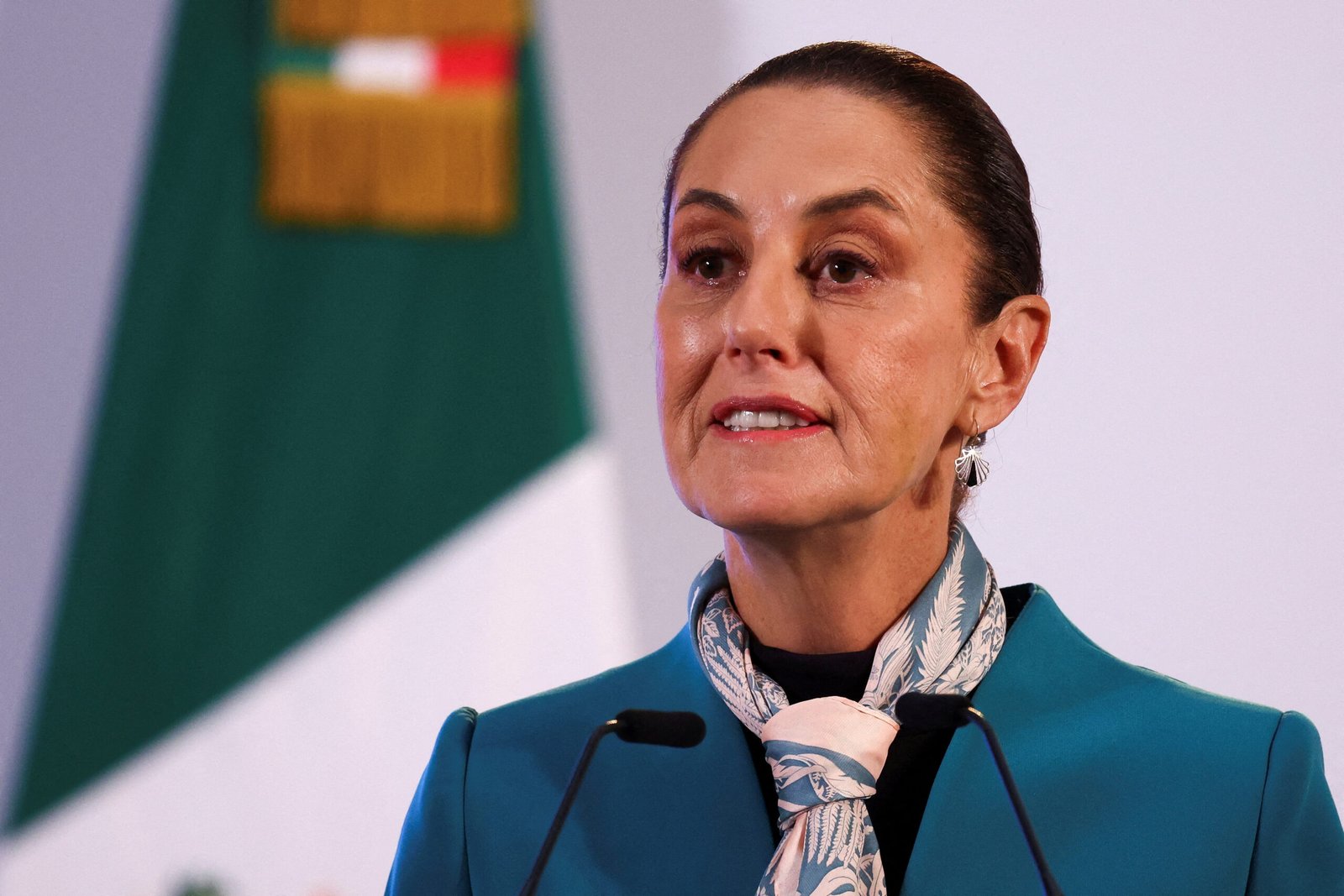
When U.S. President Donald Trump announced steep tariffs on all imported cars this week, Mexican President Claudia Sheinbaum responded with her signature pragmatism and restraint. Rather than reacting hastily, she reiterated a familiar stance—Mexico would carefully assess the situation before making any decisions.
This patient approach has defined Sheinbaum’s dealings with the Trump administration, shielding Mexico from economic retaliation in the past. In 2024, Mexico’s auto exports to the U.S. totaled $182.3 billion, making the new tariffs a potentially devastating blow to the country’s economy. Yet, Sheinbaum remained composed.
“We need to wait and evaluate before making any decisions,” she stated during her daily briefing. “This is not the first time we’ve faced such a situation.”
A Strategy of Restraint
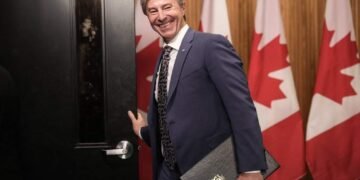
From the outset of Trump’s second term, Sheinbaum has avoided direct confrontations, contrasting sharply with Canadian officials who have been vocal in their opposition. When Trump signed executive orders renaming the Gulf of Mexico and designating certain Mexican cartels as terrorist organizations, Sheinbaum urged “a level-headed approach.”
Her caution has allowed Mexico to keep diplomatic channels open, a tactic praised by analysts. “Sheinbaum has managed to maintain dialogue with top U.S. officials while avoiding public clashes,” said Adriana García, an economic analyst. “This has given Mexico more room for negotiation.”
Despite the pressure, Sheinbaum has hinted at a strategic response. She is expected to announce a formal stance on April 3, while her administration quietly works to secure exemptions on key auto exports. Meanwhile, Economy Secretary Marcelo Ebrard has been actively engaging with U.S. officials, meeting with Commerce Secretary Howard Lutnick multiple times to negotiate terms.
Recognition from Trump
Even Trump, known for his aggressive rhetoric, has acknowledged Sheinbaum’s diplomatic skills. According to a New York Times report, he recently told her, “You’re tough.” On social media, he publicly praised her cooperation on border security and drug enforcement.
The true test of Sheinbaum’s strategy lies ahead. If Mexico can mitigate the impact of the tariffs without sparking a trade war, her calculated patience will have paid off. However, as former Economy Secretary Ildefonso Guajardo warned, failing to secure exemptions could severely damage Mexico’s manufacturing sector.
For now, Sheinbaum is sticking to her game plan—waiting, negotiating, and keeping her cards close to her chest.